The Global B2B Guide to Himalayan Pink Salt: Industrial Purity & DIY Scrubs
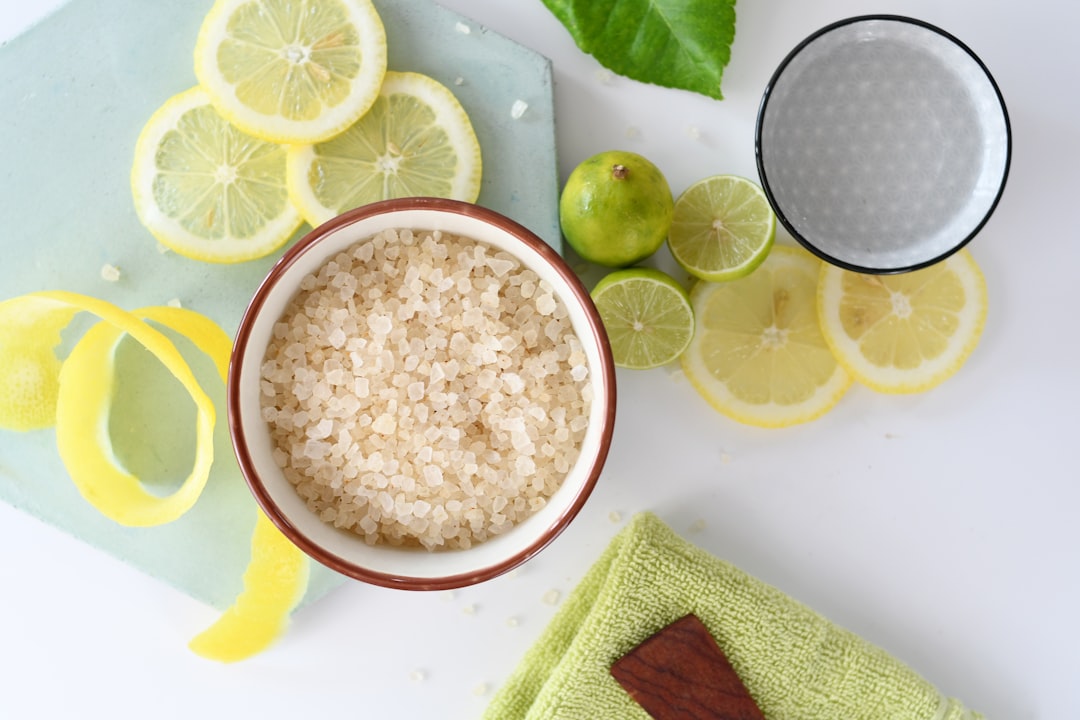
The Global B2B Guide to Himalayan Pink Salt: Industrial Purity & DIY Scrubs
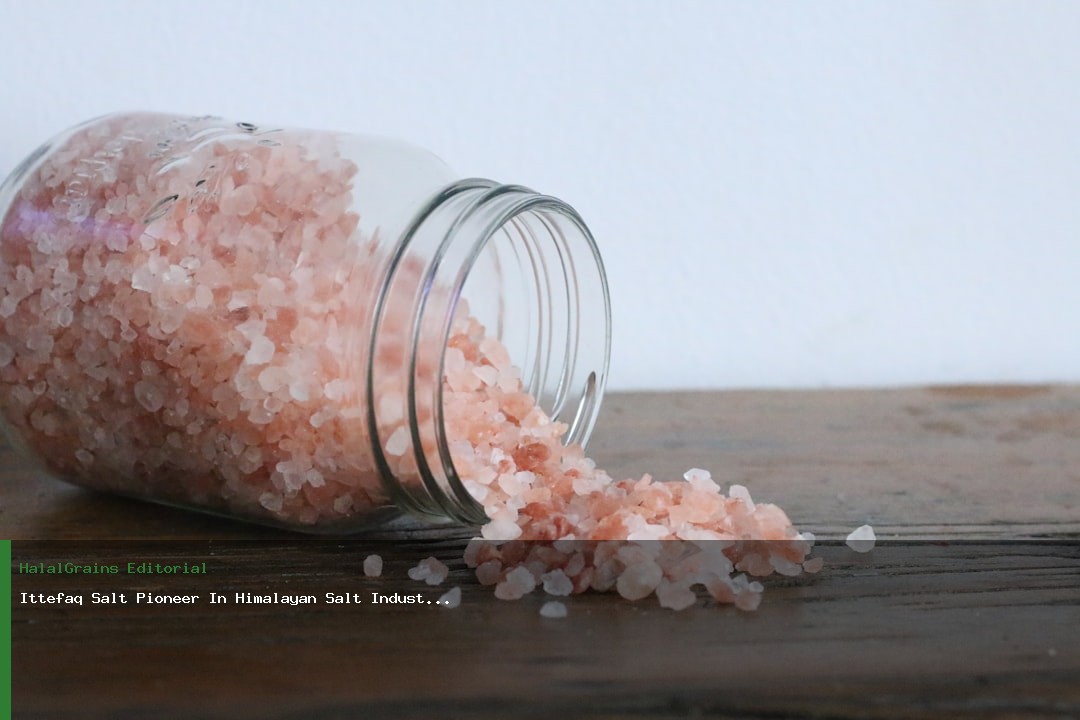
The global food, wellness, and cosmetic landscapes are undergoing a paradigm shift. Today’s sophisticated consumer no longer accepts "generic" ingredients; they demand transparency, geological purity, and ethical traceability. Himalayan pink salt has transitioned from a niche gourmet item to a cornerstone of the multi-billion dollar global wellness economy. It is a vital industrial component utilized in high-end cosmetics, therapeutic spa treatments, and clean-label food production. At HalalGrains, we serve as the bridge between the ancient salt ranges of the Punjab and the demanding requirements of international commerce. This comprehensive guide explores the industrial prowess of Himalayan salt and provides an expert blueprint for its most popular application: the professional-grade salt scrub.
International trade in natural minerals is expanding at a CAGR of approximately 4.2%, with Himalayan salt leading the charge in the "premium mineral" category. For B2B buyers in North America, Europe, and the Asia-Pacific, the challenge is not just sourcing salt, but sourcing certified salt that meets the rigorous safety standards of the modern era. HalalGrains stands at the forefront of this industry, providing premium products that exceed international benchmarks. From food safety to ethical mining, our commitment to excellence is the foundation of our global partnerships. This article serves as an elite resource for procurement officers, spa directors, and health entrepreneurs looking to leverage the "Pink Gold" of the Himalayas. Pioneer in Himalayan Salt Industry.
Elite Market Insights
- Market Insight I: The global Himalayan salt market is projected to reach a valuation of USD 14.1 billion by 2026, driven by the "Clean Label" movement in the EU and North America.
- Scientific Fact: Unlike refined table salt, which is 99% sodium chloride, authentic Himalayan pink salt contains 84 trace minerals, including iron oxide (which provides the pink hue), potassium, and magnesium, essential for transdermal absorption.
- B2B Strategic Advantage: Products carrying both Halal and Organic certifications see a 15-22% higher retail price point in Western markets due to perceived purity and rigorous third-party auditing.
- The Strategic Evolution of the Himalayan Salt Market
- The Science of Mineral Purity: Beyond Sodium Chloride
- HalalGrains Excellence: Navigating Global Certifications
- How To Prepare Salt Scrubs With Himalayan Pink Salt?
- Global Supply Chain & B2B Procurement
- Frequently Asked Questions
The Strategic Evolution of the Himalayan Salt Market
The demand for halal certified organic Himalayan pink salt has reached an inflection point. In the industrial sector, "Halal" has evolved beyond a dietary requirement; it is now recognized as a global standard for hygiene, cross-contamination prevention, and supply chain integrity. When a mineral is certified Halal, it guarantees that the processing environment is free from impurities and that the product has been handled with the highest level of care from the mine to the pallet.
For the B2B buyer, this certification serves as a proxy for quality control. In a market flooded with "pink-colored" sea salts and adulterated products, the Halal and Organic seals provide a competitive edge. European and American manufacturers are increasingly prioritizing these certifications to mitigate risk and appeal to the growing demographic of "conscious consumers." These consumers view organic certification as a guarantee that the salt is free from modern environmental pollutants, such as microplastics, which are increasingly found in traditional sea salts.
Furthermore, the traceability of Himalayan salt is a key driver of its industrial value. At HalalGrains, we manage the entire lifecycle of the product. This vertical integration ensures that the salt remains unrefined and chemically untreated. For industrial food processors, this means a "cleaner" ingredient list; for cosmetic formulators, it means a more potent mineral profile for their topical applications. The market is no longer looking for just salt—it is looking for a story of purity and ethical origin. The Global Guide to Himalayan.
The Science of Mineral Purity: Beyond Sodium Chloride
From a scientific perspective, the value of Himalayan pink salt lies in its complex mineral matrix. While standard table salt is heavily processed and stripped of its natural elements, Himalayan salt is harvested from ancient sea beds that have been protected by volcanic ash and ice for over 250 million years. This geological isolation makes it one of the purest substances on Earth.
The World Health Organization (WHO) has long advocated for the reduction of sodium intake to combat hypertension. However, when salt is utilized, the quality of that salt becomes paramount. Himalayan salt contains up to 84 trace minerals, including calcium, magnesium, and phosphorus. In an industrial culinary context, these minerals act as natural flavor enhancers, providing a "roundness" to the taste profile that refined salt cannot replicate. This is why premium food brands are switching to Himalayan salt wholesale for their gourmet lines.
In the wellness industry, the focus is on the osmotic and ionic properties of these minerals. When used in balneotherapy (salt baths) or topical scrubs, the salt aids in "reverse osmosis," drawing toxins out of the body while allowing the skin to absorb essential minerals. This transdermal mineral absorption is a key selling point for luxury spas and dermatological brands. Understanding the chemical composition of the salt is the first step for any business looking to market its benefits effectively.
HalalGrains Excellence: Navigating Global Certifications
As a senior strategist in the export sector, I cannot overstate the importance of international certifications. For a B2B buyer, a supplier's certifications are the ultimate insurance policy. HalalGrains operates under the strict guidelines of ISO 22000 and HACCP (Hazard Analysis and Critical Control Points). These are not merely administrative hurdles; they are the gold standards of global food safety.
Our facilities are designed to prevent any form of contamination, ensuring that the halal certified mineral remains in its pristine state. We understand that our clients—ranging from multinational food corporations to boutique skincare labels—rely on our consistency. A single batch of sub-par salt can ruin a production run worth hundreds of thousands of dollars. That is why we provide a comprehensive Certificate of Analysis (COA) with every shipment, detailing the mineral content and purity levels.
Beyond safety, HalalGrains is committed to the "S" in ESG (Environmental, Social, and Governance). We ensure that our mining partners adhere to fair labor practices and sustainable extraction methods. This ethical backbone allows our B2B partners to market their products with confidence, knowing their supply chain supports the communities of the Salt Range. Whether you are sourcing organic spices or bulk minerals, our infrastructure is built to support your brand's reputation.
How To Prepare Salt Scrubs With Himalayan Pink Salt?
For businesses in the wellness and personal care sectors, the question of how to prepare salt scrubs with Himalayan pink salt is central to product development. A professional-grade scrub is more than just a mixture; it is a balanced formulation designed for shelf stability and skin efficacy. Here is the industry-standard approach to creating a high-end Himalayan salt scrub.
Step 1: Selecting the Correct Grain Size
The efficacy of a scrub depends entirely on the "grit." For industrial production, we categorize salt into three primary grades:
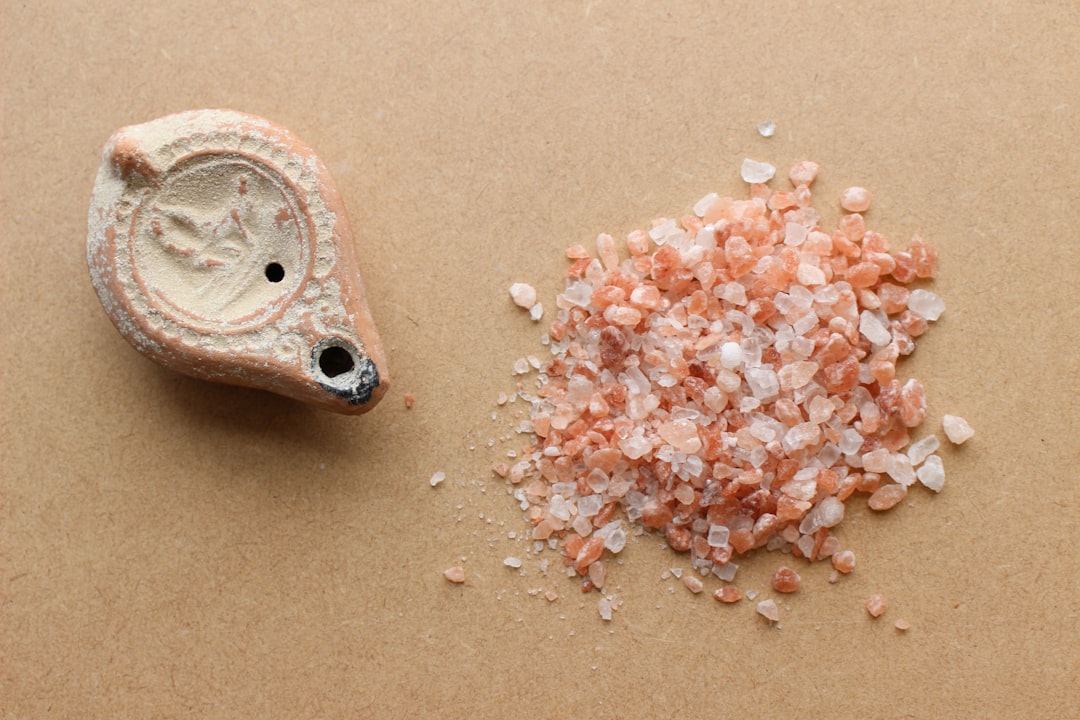
- Fine Grain (0.5mm - 1mm): Ideal for facial scrubs and sensitive skin formulations. It provides gentle exfoliation without causing micro-tears.
- Medium Grain (1mm - 2mm): The "all-purpose" grade, perfect for body scrubs and hand treatments.
- Coarse Grain (2mm - 5mm): Best suited for foot scrubs and professional spa "salt glows" where intense exfoliation is required.
Step 2: The Carrier Oil Matrix
When considering how to prepare salt scrubs with Himalayan pink salt, the choice of oil is critical. The oil acts as the delivery vehicle for the minerals. For a premium product, we recommend oils with low comedogenic ratings, such as Jojoba, Sweet Almond, or Fractionated Coconut Oil. The standard industrial ratio is 2 parts salt to 1 part oil, though this can be adjusted based on the desired "scoopability" of the final product.
Step 3: Botanical Infusions and Essential Oils
To elevate the product, professional formulators add essential oils and dried botanicals. For a "Detox" line, eucalyptus and peppermint are preferred. For a "Relaxation" line, lavender and chamomile are the industry standards. It is vital to ensure that these additives are also of therapeutic grade to maintain the "Organic" integrity of the salt.
Step 4: Preservation and Stability
A common mistake when learning how to prepare salt scrubs with Himalayan pink salt is failing to account for water contamination. Since salt is a natural preservative, a water-free (anhydrous) scrub has a long shelf life. However, if the product is intended for use in a shower, a natural preservative or an antioxidant like Vitamin E (Tocopherol) should be added to prevent the oils from going rancid. This ensures the product remains "fresh" from the warehouse to the consumer's bathroom.
Global Supply Chain & B2B Procurement
Sourcing Himalayan salt at scale requires a partner who understands the nuances of international logistics. At HalalGrains, we specialize in bulk exports, offering various packaging solutions from 25kg industrial bags to 1-ton jumbo bags. Our proximity to the source allows us to offer competitive pricing while maintaining a rigorous quality control process that many middle-men cannot match.
For our B2B clients, we offer private labeling services. This allows wellness brands to leverage our certifications (ISO, HACCP, Halal) under their own brand name. We handle the complexities of the Food and Agriculture Organization (FAO) guidelines and international shipping regulations, ensuring that your cargo arrives on time and in perfect condition. Whether you are looking for bulk grains or premium minerals, our logistics team is equipped to handle the most demanding schedules.
Frequently Asked Questions
What makes Himalayan salt "Industrial Grade" vs. "Food Grade"?
In the context of HalalGrains, all our salt is food-grade, meaning it meets the safety standards for human consumption. However, "Industrial Grade" often refers to the grain size and packaging volume intended for manufacturing. Always ensure your supplier provides a COA to confirm the salt is free from heavy metals and contaminants, as required by the FDA.
How to prepare salt scrubs with Himalayan pink salt that won't separate?
Separation is a natural occurrence in oil-and-salt mixtures. To prevent this in a commercial setting, formulators use natural emulsifiers or thickeners like beeswax or shea butter. This creates a "whipped" texture that keeps the salt suspended in the oil, providing a better user experience and a more professional appearance on the shelf.
Is the pink color consistent across all batches?
Because Himalayan salt is a natural product, the color can range from off-white to deep beetroot red. This variation is due to the concentration of iron oxide. For B2B buyers, we offer color-sorting services to ensure that your product line maintains a consistent aesthetic across every batch.
Can Himalayan salt be used in water filtration?
Yes, due to its ionic properties, Himalayan salt is increasingly used in industrial water softening and filtration systems. It is seen as a more "natural" alternative to chemically treated pellets, though it is primarily valued in the food and cosmetic sectors.
The global market for Himalayan salt is vibrant and full of potential. From gourmet kitchens to luxury spas, its applications are vast. HalalGrains is proud to be a leading exporter of this "pink gold." We provide the consistency and quality that international businesses require. Our focus on wellness and health ensures that our products contribute positively to the lives of consumers. We invite you to explore our range of products, including our premium mineral selections and organic agricultural exports.
In conclusion, sourcing the right minerals is a strategic business decision. By choosing a halal certified organic Himalayan pink salt, you are investing in quality. You are choosing a product that is backed by rigorous standards and ethical practices. Whether you are looking for bulk supply or want to know how to prepare salt scrubs with Himalayan pink salt for your retail line, we are here to help. HalalGrains is your trusted partner in the global food and wellness industry. Let us grow together.
Are you ready to elevate your product line with the world's finest minerals? Contact the HalalGrains procurement team today. Our experts are ready to assist with your B2B inquiries and provide customized solutions for your international business needs. Experience the difference that true quality makes. Let's build a healthier future, one grain at a time.
About HalalGrains Editorial Team
HalalGrains is a global facilitator of premium organic and halal-certified food products. Our editorial team comprises food safety experts, nutritionists, and international trade specialists dedicated to bringing you the latest insights into the world of sustainable organics and Himalayan wellness.
Explore our products: Visit HalalGrains Export Portal