Pioneer in Himalayan Salt Industry From Pakistan: A Global Guide
Pioneer in Himalayan Salt Industry From Pakistan: A Global Guide
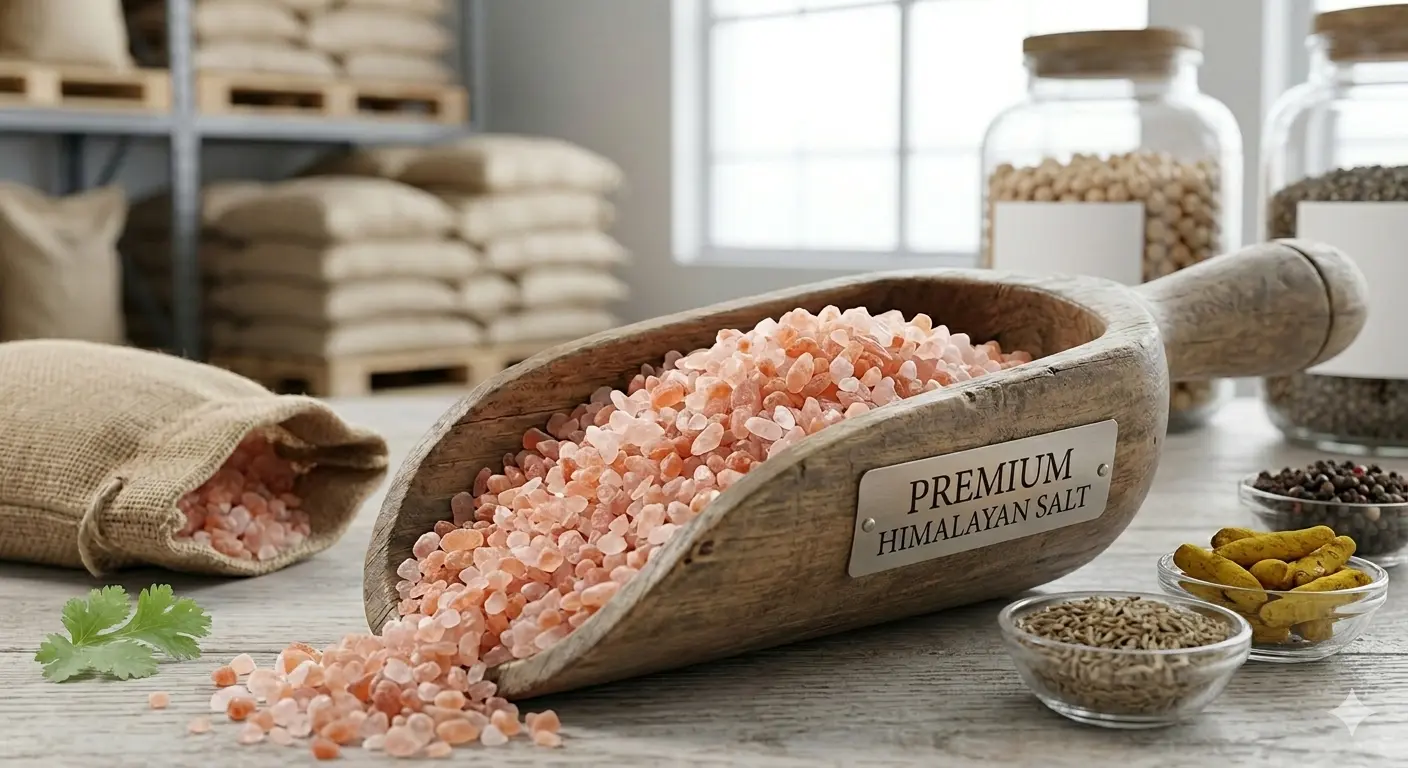
The global food landscape is undergoing a massive transformation, driven by a paradigm shift in consumer consciousness. Today’s buyers are no longer satisfied with mere affordability; they demand transparency, purity, and ethical integrity. In this evolving market, Pakistan has emerged as a central powerhouse, particularly as the world’s primary source of authentic Himalayan pink salt and premium organic staples. While names like Pioneer in Himalayan Salt Industry From Pakistan have set the historical benchmark for the trade, the modern era requires a sophisticated blend of traditional resources and rigorous international compliance. HalalGrains stands at this intersection, serving as the definitive bridge between Pakistan’s ancient mineral wealth and the stringent requirements of the global B2B sector.
For procurement officers and distributors in North America, Europe, and the Middle East, the Pakistani market offers a unique value proposition that extends far beyond volume. It is a market defined by geological exclusivity and an agricultural heritage that dates back millennia. However, navigating this landscape requires an expert understanding of the supply chain—from the depths of the Khewra Salt Mines to the final ISO-certified packaging. This guide provides an authoritative analysis of why Pakistan remains the ultimate destination for premium organic goods and how HalalGrains ensures these products dominate the global stage through uncompromising E-E-A-T standards. 10 Strategic Benefits of Himalayan.
The Geological Authority: Why Pakistan Rules the Salt Market
Nutritional Science: The 84-Mineral Profile and Purity Standards
B2B Excellence: Navigating ISO, HACCP, and Halal Certifications
Strategic Sourcing: Optimizing the Global Organic Supply Chain
The Geological Authority: Why Pakistan Rules the Salt Market
To understand the dominance of Pakistan in the mineral industry, one must look back 800 million years. The Salt Range in Pakistan’s Punjab province, specifically the Khewra, Warcha, and Kalabagh mines, contains the world’s largest and oldest deposits of rock salt. This is not merely a commercial asset; it is a geological marvel. Unlike sea salt, which is harvested from modern oceans and increasingly contaminated by industrial runoff, Himalayan salt was sequestered deep underground by volcanic activity and tectonic shifts long before human-made pollutants existed.
Market Insight 1: The Microplastic-Free Advantage
As the World Health Organization (WHO) continues to monitor the impact of microplastics on human health, the demand for "ancient" salts has skyrocketed. Recent studies indicate that a significant percentage of commercial sea salts contain microplastic particles. In contrast, Himalayan rock salt, extracted from the Precambrian era deposits, is naturally shielded from modern environmental toxins. This makes it a "Clean Label" ingredient of the highest order. You can explore the global health implications of sodium and purity in the WHO salt reduction guidelines.
The industry was pioneered by early movers who recognized the potential of these mines. Today, the legacy of Ittefaq Salt – Pioneer in Himalayan Salt Industry From Pakistan serves as a foundation upon which modern exporters like HalalGrains build. We have evolved the process by integrating advanced optical sorting technology, ensuring that the salt is not only authentic but also meets the aesthetic and chemical consistency required by high-end retail and industrial food processors. The Global Authority on Himalayan.
Nutritional Science: The 84-Mineral Profile and Purity Standards
The iconic pink hue of Himalayan salt is more than just a visual differentiator; it is a chemical signature of its mineral density. While standard table salt is often stripped of its minerals and treated with anti-caking agents like sodium ferrocyanide, Pakistani Himalayan salt remains in its raw, unrefined state. It contains 84 essential trace minerals, including iron, potassium, magnesium, and calcium, which contribute to its complex flavor profile and lower sodium-by-weight ratio.
Scientific Fact: Ionic Balance and Bioavailability
The minerals in Himalayan salt exist in a colloidal form, meaning they are small enough to be easily absorbed by human cells. This bioavailability is a key selling point for wellness brands. Furthermore, the presence of iron oxide is what provides the varying shades of pink and orange. For B2B buyers, understanding the Himalayan salt benefits is crucial for marketing to a health-conscious demographic that prioritizes "whole food" ingredients over processed alternatives.
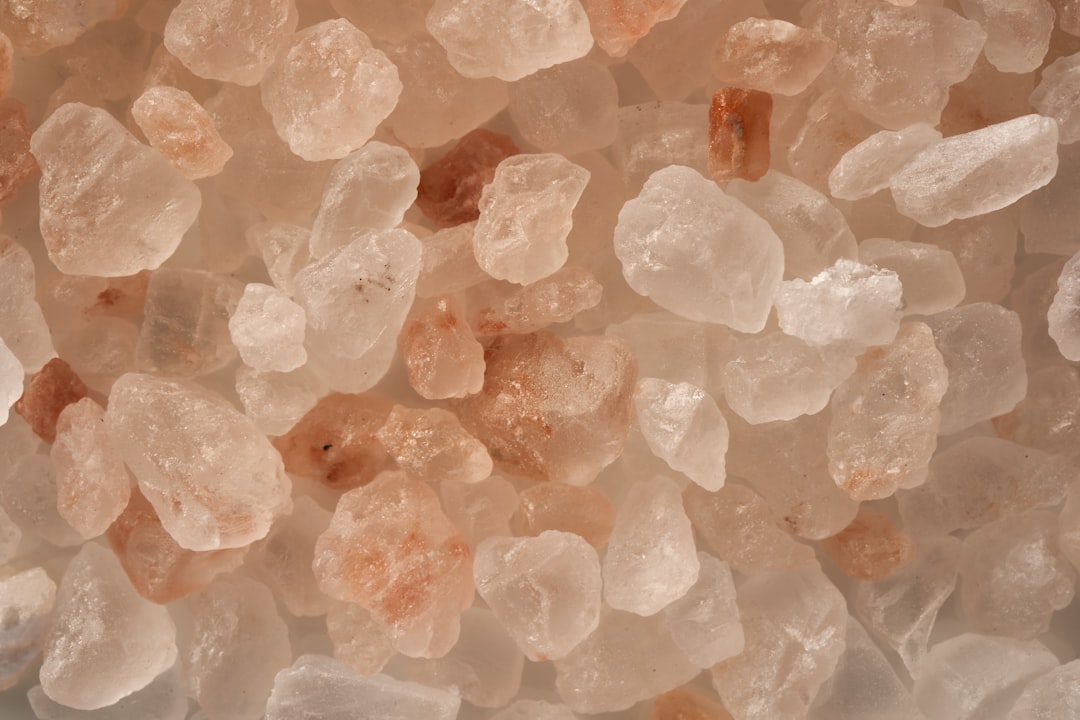 A high-resolution macro shot of translucent pink salt crystals, showcasing the natural mineral inclusions and crystalline structure
Beyond the salt mines, the fertile plains of the Indus Valley provide a similar nutritional advantage for organic grains. The soil here is naturally replenished by mineral-rich silt from Himalayan glacial meltwater. This unique irrigation system reduces the dependency on synthetic fertilizers, allowing Pakistani Basmati rice and pulses to maintain a superior organoleptic profile—aroma, texture, and taste—that is unmatched by mass-produced varieties from other regions.
B2B Excellence: Navigating ISO, HACCP, and Halal Certifications
In the international arena, quality is not a claim; it is a certification. For a certified halal Himalayan pink salt supplier, the barriers to entry in markets like the EU and the USA are high. HalalGrains has invested heavily in a "Quality First" infrastructure that aligns with the most rigorous global standards. We recognize that for our B2B partners, a disruption in the supply chain due to compliance failure is not an option.
Our facilities operate under ISO 22000 and HACCP (Hazard Analysis and Critical Control Points) protocols. These are not just acronyms; they represent a systematic approach to food safety that covers every stage from extraction to palletization.
ISO 22000: Ensures a comprehensive food safety management system across the entire supply chain.
HACCP: Identifies and controls biological, chemical, and physical hazards in the production process.
Halal & Organic: Guarantees that the products are "Tayyib" (pure) and free from synthetic pesticides, meeting the ethical demands of both religious and secular health markets.
Market Insight 2: The "Halal and Tayyib" Synergy
The global Halal food market is projected to reach trillions of dollars by 2030. However, the modern Muslim consumer is increasingly looking for the "Tayyib" aspect—meaning the food must be wholesome, organic, and ethically sourced. By combining Halal certification with Organic standards, HalalGrains provides a product that appeals to a broader, more affluent global demographic. This dual-certification strategy is essential for brands looking to penetrate the Middle Eastern and Southeast Asian markets effectively.
Strategic Sourcing: Optimizing the Global Organic Supply Chain
Sourcing from Pakistan offers significant cost advantages, but the complexity of international logistics can be a deterrent for many buyers. This is where HalalGrains provides a strategic edge. We manage the entire documentation trail, including Phytosanitary Certificates, Certificates of Origin, and independent lab analysis reports (COA) for every batch. This level of transparency is what separates a world-class exporter from a local trader.
The Food and Agriculture Organization (FAO) of the United Nations highlights the importance of sustainable trade in developing nations. By sourcing from certified Pakistani entities, global buyers support sustainable farming practices that protect the Indus Valley ecosystem. You can read more about these global initiatives on the FAO organic agriculture standards page.
 An infographic showing the HalalGrains supply chain: From the Himalayan Salt Mines to ISO-certified processing, and finally to global shipping ports
When sourcing organic spices or grains, moisture control and purity are the two most critical factors. Pakistan’s climate is ideal for sun-drying, but HalalGrains takes it a step further with controlled-environment drying and low-temperature grinding. This preserves the volatile oils in spices like turmeric and cumin, ensuring that the end consumer receives a product with maximum potency and shelf life. For B2B clients, this translates to fewer returns, higher customer satisfaction, and a stronger brand reputation.
Industry FAQ: Expert Insights for Global Buyers
What is the difference between "Industrial Grade" and "Food Grade" Himalayan salt?
Industrial-grade salt is often used for de-icing or animal licks and may contain higher levels of insoluble matter. Food-grade Himalayan salt must meet strict purity standards, typically requiring a sodium chloride content of 96% to 99%, with the remainder being beneficial minerals. HalalGrains exclusively processes food-grade salt, utilizing optical sorters to remove any dark inclusions or impurities that do not meet our "Elite" quality threshold.
How does HalalGrains ensure the traceability of its organic products?
Traceability is the backbone of our operation. Each shipment is assigned a unique batch number that tracks the product back to the specific farm or mine sector. This "Farm-to-Fork" transparency is verified through our internal audits and third-party certification bodies. For B2B buyers, this means you can confidently market the origin and ethical journey of your products to your customers.
Why is Pakistani Basmati rice preferred for the "Clean Label" market?
Pakistani Basmati, particularly the 1121 Extra Long Grain variety, is renowned for its low glycemic index and lack of GMO intervention. Unlike many other rice-producing regions that have moved toward genetically modified seeds for higher yields, Pakistan has maintained the genetic purity of its Basmati heritage. This makes it a staple for the wholesale organic grains market, where "Non-GMO" is a non-negotiable requirement.
Can Himalayan salt be used in industrial food manufacturing?
Absolutely. Many snack food manufacturers and bakeries are switching to Himalayan salt to enhance their "All-Natural" branding. We offer various grain sizes, from fine powder to coarse crystals, to suit different manufacturing needs. Its superior flowability and lack of chemical additives make it an excellent choice for large-scale food production.
Conclusion: The Future of Global Wellness Starts in Pakistan
The rise of Pakistan as a global leader in the organic and mineral sector is not an accident; it is the result of a unique geological heritage meeting modern industrial excellence. While the industry honors its roots through the work of Ittefaq Salt – Pioneer in Himalayan Salt Industry From Pakistan, the future belongs to those who can master the complexities of the global supply chain. HalalGrains is committed to this future, ensuring that every grain of salt and every handful of rice we export meets the highest standards of purity, safety, and ethical responsibility.
For the global B2B buyer, the choice is clear. Partnering with a supplier that understands the nuances of ISO 22000, HACCP, and Halal certification is the only way to ensure long-term success in a competitive market. We invite you to explore the HalalGrains difference—where traditional wisdom meets world-class technology. Whether you are looking to expand your retail line or secure a reliable bulk supply for manufacturing, we are your trusted partner in the world of premium Pakistani exports. Contact our senior strategy team today to discuss your wholesale requirements and join the movement toward a more conscious, healthy, and transparent global food system.
About HalalGrains Editorial Team
HalalGrains is a global facilitator of premium organic and halal-certified food products. Our editorial team comprises food safety experts, nutritionists, and international trade specialists dedicated to bringing you the latest insights into the world of sustainable organics and Himalayan wellness.
Explore our products: Visit HalalGrains Export Portal