The Global Authority on Himalayan Salt: 10 Benefits and B2B Sourcing Strategies
The Global Authority on Himalayan Salt: 10 Benefits and B2B Sourcing Strategies
The global food and wellness landscape is undergoing a seismic shift toward transparency, purity, and traceability. In major economic hubs—from the bustling markets of North America and the European Union to the emerging luxury sectors in the Middle East—consumers are no longer satisfied with generic, highly processed table salt. They demand a product that carries a narrative of geological heritage, mineral density, and ethical sourcing. This paradigm shift has positioned Himalayan Pink Salt not merely as a culinary trend, but as a cornerstone of the global "clean label" movement.
As a premier global exporter, HalalGrains recognizes that Himalayan salt—often referred to as "Pink Gold"—is a strategic commodity. For the B2B buyer, it represents a high-margin opportunity in the health and wellness sector. For the end-consumer, it is a functional food that bridges the gap between ancient wisdom and modern nutritional science. This guide serves as the definitive resource for understanding the science, the lifestyle benefits, and the rigorous international standards required to dominate this market.
Market Insight: The global specialty salt market is projected to grow at a CAGR of approximately 6.5% through 2030. This growth is primarily fueled by the rising awareness of the adverse effects of refined sodium and the increasing demand for mineral-rich alternatives in both the gourmet food and spa industries. The Global Guide to Sourcing.
- The Geological Legacy: Why Himalayan Salt Surpasses Table Salt
- 10 Reasons to Own a Natural Himalayan Salt Lamp & Its Benefits
- B2B Excellence: Navigating Global Certifications and Logistics
- Sourcing Organic Himalayan Pink Salt: The HalalGrains Standard
- Industry FAQ
The Geological Legacy: Why Himalayan Salt Surpasses Table Salt
To understand the value of Himalayan salt, one must look back 250 million years. Harvested primarily from the Khewra Salt Mine in the Punjab region of Pakistan, this salt is a remnant of a prehistoric sea. Unlike sea salt harvested from today’s oceans, which are unfortunately prone to microplastic contamination and heavy metal runoff, Himalayan salt was preserved under tectonic pressure and volcanic ash. This natural "encapsulation" has kept the mineral profile pristine for millennia.
From a chemical perspective, while standard table salt is 97% to 99% sodium chloride (often bleached and treated with anti-caking agents like sodium ferrocyanide), Himalayan pink salt remains in its raw, unrefined state. It contains up to 84 trace minerals, including calcium, potassium, magnesium, and iron oxide—the latter being responsible for its signature pink hue. These minerals exist in ionic form, making them easier for the human body to metabolize.
Scientific Fact: Research into electrolyte balance suggests that the trace minerals in unrefined salts can assist in maintaining cellular homeostasis. According to the World Health Organization (WHO), while salt reduction is a global health priority to combat hypertension, the quality of the salt consumed is becoming a focal point for nutritional researchers focusing on "cleaner" sodium sources. Pioneering Purity: The Global Guide.
For the B2B procurement officer, the distinction is clear: Himalayan salt is a value-added product. Whether it is used as a base for premium organic spices or as a standalone retail product, its lack of chemical processing is its strongest selling point in the E.U. and U.S. markets, where "non-GMO" and "additive-free" labels drive purchasing decisions.
10 Reasons to Own a Natural Himalayan Salt Lamp & Its Benefits
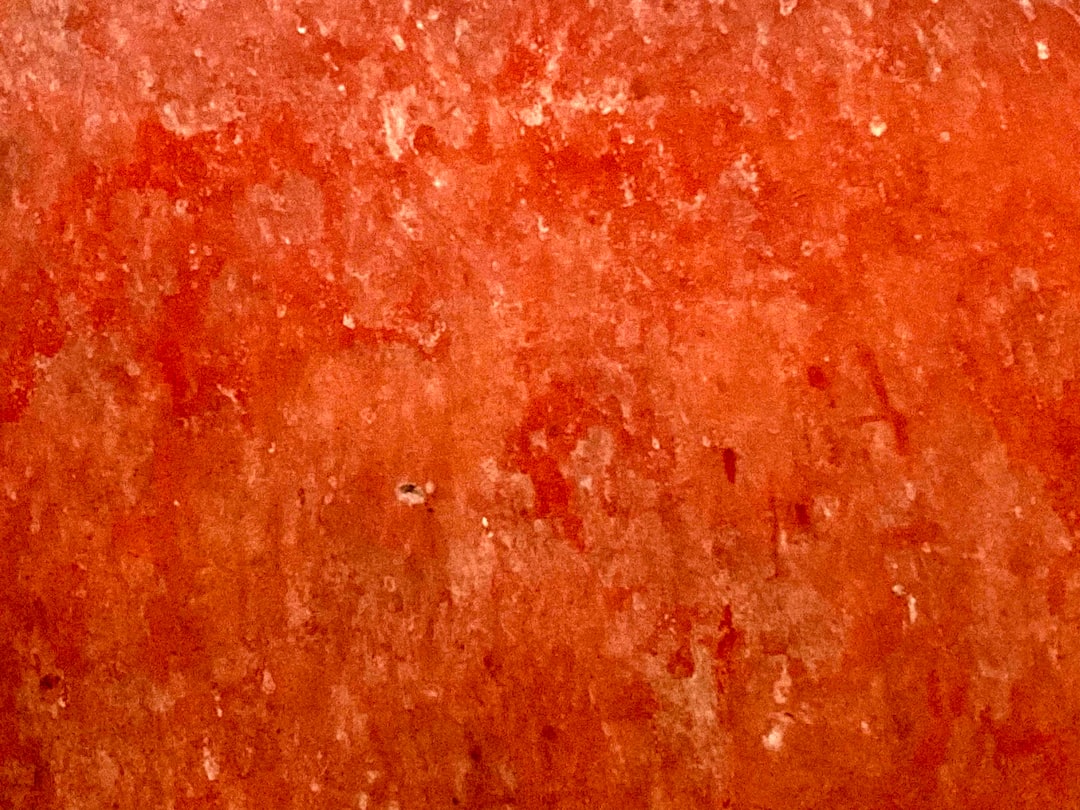
The utility of this mineral extends far beyond the kitchen. The rise of "biophilic design"—incorporating natural elements into living spaces—has made the Himalayan salt lamp a global bestseller. These lamps are hand-carved from solid salt blocks and fitted with an internal heat source. Below, we analyze the 10 Reasons to Own a Natural Himalayan Salt Lamp & Its Benefits from both a wellness and a scientific perspective.
1. Hygroscopic Air Purification
Himalayan salt is hygroscopic, meaning it attracts water molecules from the surrounding atmosphere. These water molecules often carry indoor air pollutants such as dust, smoke, and pollen. As the lamp warms up, the water evaporates back into the air, but the pollutants remain trapped on the surface of the salt. This natural filtration process is a primary reason for its popularity in urban environments.
2. Reduction in Respiratory Symptoms
Many users report relief from asthma and allergy symptoms. This is linked to the principles of "Halotherapy" (salt therapy). By cleaning the air of particulate matter, the lamp reduces the triggers that cause respiratory distress. This is a key selling point for retailers targeting the "holistic health" demographic.
3. Neutralization of Electromagnetic Radiation (EMF)
In our hyper-connected world, we are surrounded by "electronic smog" from Wi-Fi routers, smartphones, and laptops. While more clinical research is needed, it is widely believed in the wellness community that salt lamps emit negative ions that help neutralize the positive ions emitted by electronics, potentially reducing "digital fatigue."
4. Enhanced Sleep Quality
Exposure to blue light from screens inhibits melatonin production. The warm, amber glow of a Himalayan salt lamp falls within the long-wavelength spectrum, which does not disrupt the circadian rhythm. Using these lamps as evening lighting can signal to the brain that it is time to wind down.
5. Serotonin and Mood Regulation
The 10 Reasons to Own a Natural Himalayan Salt Lamp & Its Benefits include psychological impacts. Studies on negative ions (often found in abundance near waterfalls or oceans) suggest they can increase serotonin levels. The presence of a salt lamp in a workspace may help alleviate stress and improve focus.
6. Natural Dehumidification
In humid climates, a large salt lamp acts as a passive dehumidifier. By absorbing excess moisture, it helps maintain a more comfortable indoor climate and can prevent the growth of certain molds that thrive in damp conditions.
7. Chromotherapy (Color Therapy)
The soothing orange and pink hues are known in chromotherapy to promote a sense of security and calm. This makes the lamps essential for spas, massage rooms, and meditation centers globally.
8. Eco-Friendly and Sustainable Decor
Unlike plastic air purifiers that require synthetic filters and consume significant electricity, a salt lamp is a piece of the earth. It is biodegradable (over a very long period) and uses low-wattage bulbs, making it a favorite for eco-conscious consumers.
9. Reduction of Static Electricity
By neutralizing airborne ions, salt lamps can significantly reduce the buildup of static electricity in a room, protecting sensitive electronics and improving general comfort.
10. Aesthetic Versatility for Global Markets
From a B2B perspective, these lamps are highly marketable because they fit any decor—from minimalist Scandinavian styles to ornate Middle Eastern interiors. They are functional art pieces that sell themselves through visual appeal.
B2B Excellence: Navigating Global Certifications and Logistics
For international distributors and retail chains, sourcing Himalayan salt is a matter of risk management and quality assurance. The market is unfortunately flooded with "fake" salt or salt processed in substandard facilities. This is where HalalGrains differentiates itself as an industry leader.
Market Insight: To enter the European retail market, products must often comply with the Global Food Safety Initiative (GFSI) recognized standards. HalalGrains operates under ISO 22000 and HACCP (Hazard Analysis and Critical Control Points) certifications. These are not merely badges; they are rigorous systems that ensure every gram of salt is free from physical, chemical, and biological hazards.
Our B2B partners benefit from:
- Private Labeling: We provide end-to-end branding solutions, allowing you to launch your own line of organic Himalayan pink salt with packaging that meets your local regulatory requirements (FDA, EFSA, etc.).
- Bulk Logistics: We manage the complexities of ocean freight, ensuring that the salt is protected from moisture during transit. Whether you require 20ft containers of bulk crystals or palletized retail-ready lamps, our logistics team ensures on-time delivery.
- Halal & Kosher Compliance: As our name suggests, we adhere to the highest standards of Halal processing, ensuring our products are accessible to the 1.9 billion Muslim consumers worldwide, as well as those seeking Kosher-certified goods.
Sourcing Organic Himalayan Pink Salt: The HalalGrains Standard
The term "organic" when applied to salt can be complex, as salt is a mineral, not a grown crop. However, in the context of global trade, organic Himalayan pink salt refers to the purity of the extraction and the absence of post-mining additives. At HalalGrains, we ensure that our salt is hand-mined using traditional methods that preserve the crystalline structure.
We avoid the use of explosives where possible to prevent chemical residue and utilize food-grade stainless steel equipment for crushing and grading. This meticulous attention to detail is why our salt is preferred by high-end food manufacturers who require halal certification process transparency for their own ingredient decks.
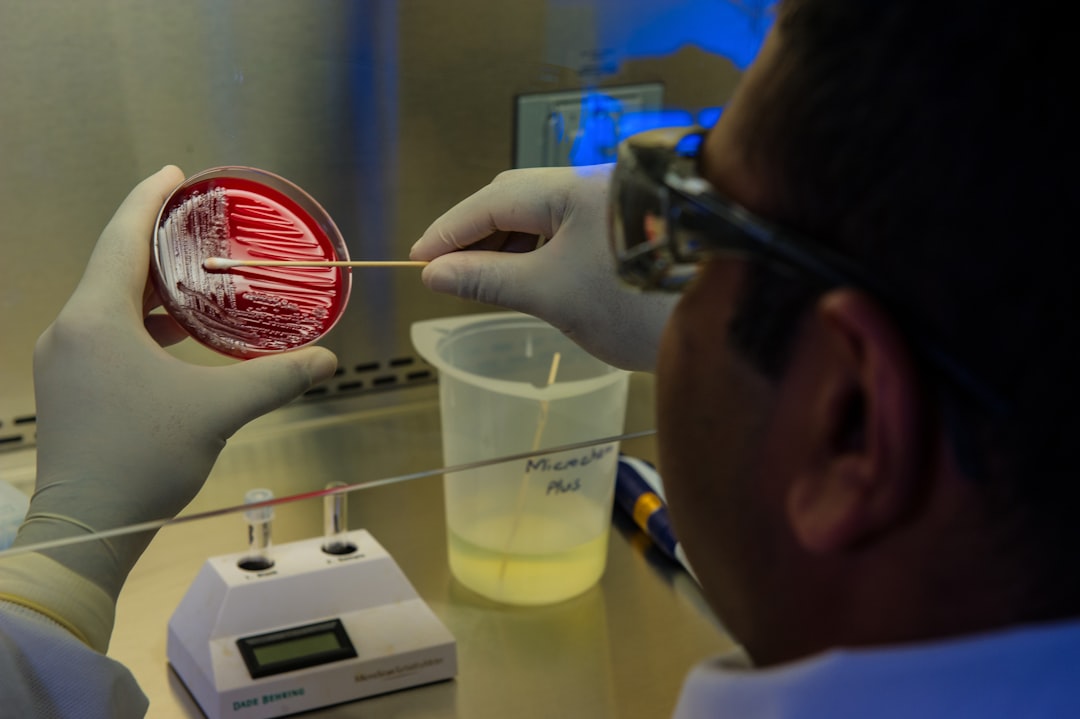
Scientific Fact: The "Pink" in the salt is primarily due to Iron Oxide. In a laboratory analysis, high-quality Himalayan salt should show a diverse mineral spread. HalalGrains provides Certificate of Analysis (CoA) reports for every batch, proving the mineral content and the absence of heavy metals like lead or mercury, which can sometimes be found in lower-quality "surface" salts.
Industry FAQ
Is Himalayan salt actually "healthier" than sea salt?
While both contain sodium, Himalayan salt is mined from ancient deposits that are free from modern ocean pollutants like microplastics. Furthermore, the presence of 84 trace minerals provides a more complex nutritional profile than highly refined sea salts.
How can a B2B buyer verify the authenticity of Himalayan salt?
Authentic salt should have a crystalline structure and range in color from off-white to deep beetroot red. Buyers should always request ISO and HACCP certifications, as well as a third-party lab analysis (CoA) to verify mineral content and purity.
What is the shelf life of Himalayan Pink Salt?
Because it is a stable mineral that has existed for millions of years, Himalayan salt technically has an indefinite shelf life if stored in a cool, dry place. For retail purposes, it is usually marked with a 3-5 year best-before date to comply with food labeling regulations.
Can HalalGrains handle custom grain sizes for industrial use?
Yes. We offer various grades, including Extra Fine (0-0.5mm) for popcorn and snacks, Fine (0.5-1mm) for table use, and Coarse (2-5mm) for grinders and salt baths. We also provide "Lumps" for industrial and decorative applications.
Conclusion: Partnering with HalalGrains for Global Success
The journey of Himalayan salt from the ancient mines of Pakistan to the global stage is a testament to the world's desire for authenticity. Whether you are a retailer looking to capitalize on the 10 Reasons to Own a Natural Himalayan Salt Lamp & Its Benefits or a food manufacturer seeking the highest grade of organic Himalayan pink salt, your choice of partner is the most critical variable.
HalalGrains combines the heritage of the Salt Range with the precision of modern food science. We are more than an exporter; we are a strategic partner dedicated to your brand's growth and your customers' well-being. Our commitment to E-E-A-T principles ensures that every product we ship is backed by expertise and integrity.
Contact HalalGrains today to request a quote for bulk orders or to discuss how our private labeling services can elevate your product portfolio. Let us bring the purity of the Himalayas to your market. Explore our other offerings, including natural essential oils, to create a comprehensive wellness range for your customers.
About HalalGrains Editorial Team
HalalGrains is a global facilitator of premium organic and halal-certified food products. Our editorial team comprises food safety experts, nutritionists, and international trade specialists dedicated to bringing you the latest insights into the world of sustainable organics and Himalayan wellness.
Explore our products: Visit HalalGrains Export Portal