Salt in Food Preservation: The Global Standard for Freshness and Quality
Salt in Food Preservation: The Global Standard for Freshness and Quality
In the complex landscape of global food logistics, the preservation of perishables is not merely a technical requirement—it is an economic imperative. For centuries, salt has stood as the foundational pillar of food security. Today, as the Editor-in-Chief at HalalGrains, I am dissecting the critical role of high-purity salt in the modern supply chain. From the rugged mines of the Himalayas to the sophisticated processing plants of Europe and North America, understanding the intersection of salt chemistry and food preservation is essential for any B2B stakeholder committed to quality.
The Biochemistry of Preservation: How Salt Maintains Integrity
At its core, salt preservation is a masterclass in biochemistry. The primary mechanism is osmosis. When salt is applied to food, it draws out moisture and reduces the "water activity" ($a_w$). This is a critical metric for food scientists; most pathogenic bacteria require a water activity level above 0.91 to proliferate. By lowering this level, salt effectively creates an environment where microbial life cannot survive.
The Science of Microbial Inhibition
Salt does more than just dehydrate. It interferes with the enzymatic activity of microbes and weakens the molecular structure of their DNA. In industrial applications, achieving the correct salinity is the difference between a shelf-stable product and a costly recall. According to the World Health Organization (WHO) guidelines on food safety, controlled sodium application remains one of the most effective methods for preventing foodborne illnesses globally. Black Salt vs. Pink Salt:.
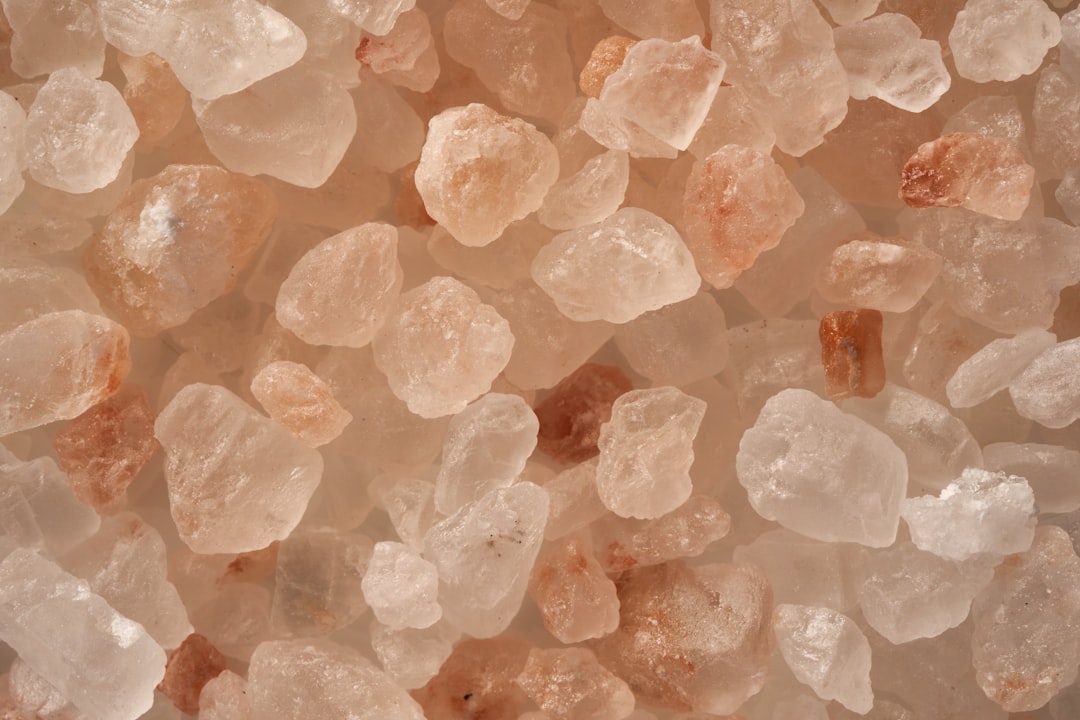
For global buyers, sourcing premium Himalayan salt ensures that this preservation process is accompanied by a rich mineral profile, including calcium, magnesium, and potassium, which can buffer the harshness of sodium chloride and improve the organoleptic properties of the final product.
Market Insight 1: The Rise of "Clean Label" Preservation
The global food industry is witnessing a seismic shift toward "Clean Label" products. Consumers are increasingly wary of synthetic preservatives like nitrates and benzoates. This has led to a resurgence in the use of high-quality, natural salts as the primary preservative. Market data suggests that the natural food preservative market is expected to grow at a CAGR of 7% through 2030. HalalGrains is at the forefront of this movement, providing unrefined, additive-free Himalayan salt that meets the rigorous demands of organic-certified food producers.
Industrial Applications: Beyond the Shaker
In the B2B sector, salt is a functional ingredient with diverse applications. Its role in preservation varies significantly across different food categories:
1. Meat and Poultry Curing
In meat processing, salt is indispensable for protein extraction. It dissolves the myofibrillar proteins, allowing them to bind water and fat, which is essential for the texture of sausages and deli meats. More importantly, in the context of preservation, salt works synergistically with temperature control to inhibit Clostridium botulinum.
2. The Dairy Industry
In cheese production, salt controls the fermentation process by regulating the growth of starter cultures. It also aids in the formation of the rind, which acts as a natural protective barrier against environmental contaminants. For industrial dairy producers, the purity of the salt is paramount; impurities can lead to off-flavors or inconsistent texture. Ultimate Guide to Himalayan Salt Tiles: Benefits and Uses.
3. Fermentation and Pickling
Salt is the selective agent in fermentation. It encourages the growth of beneficial Lactobacillus while suppressing spoilage-causing organisms. This "Hurdle Technology" approach is vital for the production of shelf-stable vegetables and sauces destined for international export.
Market Insight 2: The Purity Paradox in Global Trade
Not all salt is created equal. Industrial-grade sea salt often contains microplastics and heavy metals due to increasing ocean pollution. Conversely, Himalayan salt, mined from ancient sea beds protected by volcanic ash, offers a level of purity that is increasingly rare. For B2B buyers, this purity isn't just a marketing point—it’s a risk mitigation strategy. Using contaminated salt can lead to heavy metal accumulation in processed foods, violating FDA food safety standards and resulting in massive financial losses.
Navigating Global Standards: The HalalGrains Advantage
For international buyers in North America, Europe, and the Middle East, the technical specifications of salt are only half the story. The other half is compliance. At HalalGrains, we recognize that our partners operate in highly regulated environments. This is why our supply chain is anchored by elite international certifications.
ISO 22000 and HACCP Compliance
Our commitment to Food Safety Management Systems (ISO 22000) and Hazard Analysis Critical Control Points (HACCP) ensures that every grain of salt we export is tracked from the mine to the shipping container. This transparency is vital for B2B clients who must maintain their own rigorous quality audits.
The Halal and Organic Mandate
In the Middle Eastern and Southeast Asian markets, Halal certification is non-negotiable. However, we go further by integrating organic sourcing principles. Our organic food exports are designed to meet the "Global Standard," ensuring that our salt is free from anti-caking agents like sodium ferrocyanide, which are often found in standard table salts but are prohibited in many organic frameworks.
Market Insight 3: Supply Chain Resilience and Mineral Economics
The volatility of global shipping has highlighted the importance of "Source-Direct" procurement. By partnering with a supplier like HalalGrains, which has deep roots in the Himalayan salt range, B2B buyers bypass multiple layers of middlemen. This not only ensures competitive pricing for bulk food supply but also guarantees the consistency of the mineral profile—a crucial factor for industrial recipes that require precise chemical balances.
Technical Deep-Dive: Salt’s Role in Texture and Freshness
Freshness is often perceived through texture. In the bakery industry, salt strengthens the gluten structure in dough, allowing it to retain more CO2. This results in a better crumb and a longer shelf life by preventing the rapid staling caused by moisture migration. When salt is used in preservation, it also maintains the "crunch" in preserved vegetables by interacting with pectin in the cell walls, preventing the softening that typically occurs during long-term storage.
The Importance of Particle Size
In industrial preservation, the "grind" matters as much as the "grade."
- Fine Grain: Ideal for rapid dissolution in brines and dry rubs where quick penetration is required.
- Coarse Grain: Preferred for slow-release preservation and as a decorative, functional topping that provides bursts of flavor.
- Extra-Fine (Flour) Salt: Used in snack food coatings to ensure even distribution and adherence without the use of excessive oils.
Strategic Sourcing for Global Buyers
As a senior strategist, my advice to global procurement officers is clear: prioritize the "Total Cost of Quality." While cheaper, refined salts may lower initial COGS (Cost of Goods Sold), the potential for batch inconsistency, chemical additives, and lack of trace minerals can degrade the final product's value.
HalalGrains provides a strategic partnership that extends beyond a simple transaction. We offer:
- Customized Grain Sizes: Tailored to your specific industrial preservation needs.
- Rigorous Lab Testing: Every batch is tested for purity and mineral content.
- Logistical Excellence: Streamlined export processes to major global hubs, ensuring your production line never stops.
Conclusion: The Future of Preservation is Natural
The role of salt in food preservation is evolving from a basic necessity to a sophisticated tool for quality management. As the global market leans toward natural, unrefined, and ethically sourced ingredients, the value of premium Himalayan salt will only continue to rise.
At HalalGrains, we are more than just exporters; we are custodians of quality. Whether you are a large-scale food processor in the EU or a boutique organic brand in North America, our mission is to provide you with the "White Gold" of the Himalayas—certified, pure, and ready to preserve the integrity of your products.
Ready to elevate your supply chain? Contact our B2B consultation team today to discuss bulk orders, custom specifications, and how our international certifications can benefit your business. Let us help you maintain the freshness and quality your customers demand.
About HalalGrains Editorial Team
HalalGrains is a global facilitator of premium organic and halal-certified food products. Our editorial team comprises food safety experts, nutritionists, and international trade specialists dedicated to bringing you the latest insights into the world of sustainable organics and Himalayan wellness.
Explore our products: Visit HalalGrains Export Portal