The Science of Salt in Food Preservation: A Global Standard for Quality
The Science of Salt in Food Preservation: A Global Standard for Quality
The global food industry is currently navigating a transformative era. As supply chains become more complex and consumer scrutiny reaches an all-time high, the demand for "clean label" ingredients has moved from a niche preference to a market imperative. In this landscape, the ancient practice of using Salt in Food Preservation-Maintaining Freshness and Quality has re-emerged as a sophisticated, natural alternative to synthetic additives. At HalalGrains, we view salt not merely as a commodity, but as a critical bio-chemical tool that ensures food security, enhances nutritional profiles, and upholds the integrity of global food exports.
From the high-altitude mines of the Himalayas to the precision-driven processing plants of Europe and North America, the role of high-purity salt is foundational. This guide serves as an authoritative deep-dive into the mechanics, market trends, and industrial applications of salt preservation, positioning it as the gold standard for modern food safety and B2B excellence.
- The Bio-Chemical Mechanisms of Salt Preservation
- Market Intelligence: The Shift Toward Mineral-Rich Preservation
- The B2B Advantage: Navigating Global Compliance and Certifications
- Strategic Industrial Applications: From Charcuterie to Fermentation
- Sustainability and the Economic Impact of Natural Preservation
- Expert FAQ: Technical Insights for Industry Professionals
The Bio-Chemical Mechanisms of Salt Preservation
To understand the efficacy of Salt in Food Preservation-Maintaining Freshness and Quality, one must look at the molecular level. The primary mechanism is osmotic pressure. When salt is introduced to a food matrix, it creates a high-solute environment that draws water out of microbial cells through their semi-permeable membranes. This process, known as plasmolysis, effectively dehydrates pathogens, rendering them unable to reproduce or survive. The Global Himalayan Salt Industry:.
Understanding Water Activity (aw)
In food science, the concept of "Water Activity" (aw) is the benchmark for shelf stability. Most fresh foods have an aw of approximately 0.99. Pathogenic bacteria, such as Clostridium botulinum or Staphylococcus aureus, require high water activity to thrive. By utilizing premium Himalayan salt, producers can precisely lower the aw to levels (typically below 0.85) where microbial growth is inhibited. This is the cornerstone of FDA food preservation standards, which mandate specific moisture controls to prevent foodborne illnesses.
Enzymatic Inhibition and Texture Retention
Beyond microbial control, salt acts as a stabilizer for food structure. It inhibits the activity of endogenous enzymes—proteases and lipases—that cause the breakdown of proteins and fats, leading to rancidity and softening. In the B2B sector, the choice of salt grain size is critical here; a consistent "fine-to-medium" grain ensures uniform penetration, preventing "salt burn" on the exterior while leaving the interior vulnerable to spoilage.
Market Intelligence: The Shift Toward Mineral-Rich Preservation
Market Insight 1: The Clean Label Revolution
The global "Clean Label" ingredients market is projected to reach over $60 billion by 2030. Consumers are actively avoiding nitrates, nitrites, and benzoates. Consequently, Salt in Food Preservation-Maintaining Freshness and Quality has become a primary marketing asset. Brands that replace synthetic preservatives with halal certified, unrefined Himalayan salt are seeing a 15-20% increase in brand loyalty among health-conscious demographics. The Global Salt Standard: Decoding.
Market Insight 2: The Microplastic Contamination Crisis
Recent studies have highlighted a disturbing trend: the presence of microplastics in modern sea salts. For global food manufacturers, this represents a significant liability. Himalayan salt, being mined from ancient sea beds protected by tectonic layers for millions of years, is naturally free from modern pollutants. This purity is a key reason why HalalGrains is the preferred partner for bulk Himalayan salt wholesale to the European and North American markets.
Market Insight 3: The "Hurdle Technology" Trend
Modern food safety now relies on "Hurdle Technology"—the use of multiple preservation methods (pH, temperature, and salt) in combination. High-quality salt allows manufacturers to use lower temperatures during transport, reducing energy costs while maintaining a robust safety profile. This synergy is vital for the World Health Organization (WHO) salt guidelines, which advocate for high-quality mineral intake over high-volume sodium consumption.
The B2B Advantage: Navigating Global Compliance and Certifications
For international buyers, the technical specifications of salt are only half the story. The other half is Trustworthiness. At HalalGrains, we recognize that our salt is a critical component in your final product's compliance. Our facilities are governed by a rigorous E-E-A-T framework, ensuring that every shipment meets the highest global standards.
ISO 22000 and HACCP Integration
Our commitment to Salt in Food Preservation-Maintaining Freshness and Quality is validated by ISO 22000 (Food Safety Management) and HACCP (Hazard Analysis and Critical Control Points). These certifications ensure that from the moment the salt is extracted to its final packaging, every potential biological, chemical, and physical hazard is mitigated. For a B2B buyer, this means reduced risk of recalls and seamless entry into highly regulated markets.
The Halal and Organic Mandate
In the Middle East and Southeast Asia, halal certified ingredients are non-negotiable. Our salt undergoes strict auditing to ensure no cross-contamination occurs. Furthermore, our Organic and Non-GMO certifications cater to the premium segment of the market, where organic food export standards dictate the sourcing of every single ingredient. By choosing HalalGrains, you are not just buying salt; you are securing a certificate of purity that enhances your product's marketability.

Strategic Industrial Applications: From Charcuterie to Fermentation
The application of Salt in Food Preservation-Maintaining Freshness and Quality varies significantly across sectors. As a senior strategist, I recommend the following approaches for industrial-scale operations:
1. Meat and Seafood Curing
In the production of premium charcuterie and smoked salmon, the mineral profile of the salt is as important as its sodium content. The trace amounts of iron and magnesium in Himalayan salt contribute to the "color fix" of the meat, often reducing the need for added nitrates. This results in a superior organoleptic profile that appeals to gourmet consumers.
2. The Fermentation Sector
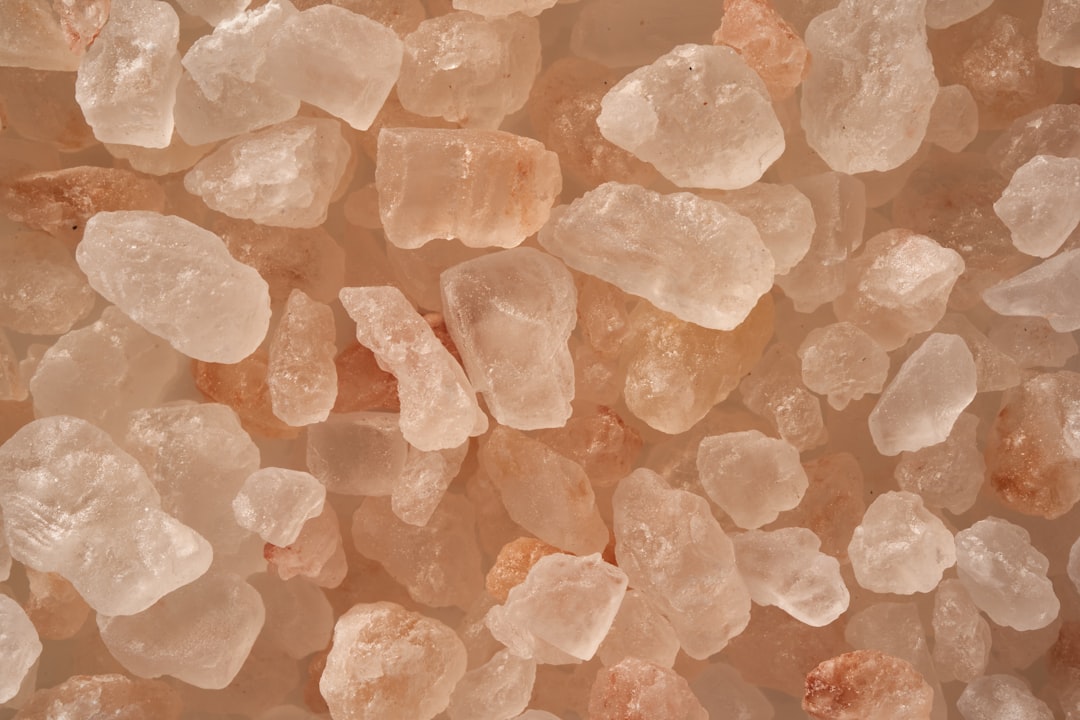
Fermentation is a delicate balance of microbial ecology. High-quality salt inhibits spoilage organisms while fostering the growth of Lactobacillus. In large-scale production of kimchi, sauerkraut, and pickles, the purity of the salt prevents "softening" of the vegetables, ensuring a crisp texture that survives the global shipping process. Himalayan pink salt benefits are particularly evident here, as the minerals act as co-factors for beneficial bacterial enzymes.
3. Dairy and Cheese Production
Salt controls the rate of ripening in cheese and regulates the moisture content of butter. For B2B dairy exporters, using a consistent, high-purity salt ensures that the flavor profile remains stable even when subjected to the fluctuations of international logistics.
Sustainability and the Economic Impact of Natural Preservation
The global food system faces a $1 trillion food waste problem. Salt in Food Preservation-Maintaining Freshness and Quality is a powerful tool in the fight for sustainability. By extending the shelf life of perishable goods naturally, we reduce the carbon footprint associated with food spoilage and frequent restocking cycles.
Furthermore, salt-preserved foods often require less intensive refrigeration (the "Cold Chain"). In many developing markets, where cold chain infrastructure is unreliable, salt preservation provides a vital "buffer," ensuring that protein sources remain safe and nutritious for local populations. This aligns with the FAO food security reports which emphasize the need for accessible, traditional preservation methods to combat global hunger.
Expert FAQ: Technical Insights for Industry Professionals
What is the optimal salt concentration for long-term meat preservation?
For dry-curing, a concentration of 2.5% to 3.5% of the total weight is standard. However, this must be calibrated based on the specific fat content and the desired water activity (aw) of the final product. Using mineral-rich Himalayan salt can allow for a slightly lower sodium profile while maintaining the same preservative efficacy.
How does HalalGrains ensure the absence of heavy metals in bulk exports?
We conduct batch-testing using Inductively Coupled Plasma (ICP) mass spectrometry. This ensures that our salt meets and exceeds the safety standards set by the WHO and the European Food Safety Authority (EFSA), specifically regarding lead, arsenic, and mercury levels.
Can Himalayan salt be used in automated food processing machinery?
Absolutely. We offer bespoke grain sizing—from "Super Fine" (0-0.5mm) for spice blends to "Coarse" (2-5mm) for industrial grinders. Our salt is processed to ensure high flowability, minimizing downtime in automated production lines.
Conclusion: The Future of Preservation is Natural
The role of Salt in Food Preservation-Maintaining Freshness and Quality is more than a historical legacy; it is a future-proof solution for a world demanding transparency and health. As we have explored, the intersection of osmotic science, mineral purity, and global certification creates a powerful value proposition for B2B buyers and consumers alike.
HalalGrains remains at the forefront of this movement. By bridging the gap between the pristine resources of the Himalayas and the rigorous demands of the global food industry, we provide our partners with the "white gold" necessary to dominate their respective markets. Whether you are looking to enhance the shelf life of your organic line or seeking a reliable halal certified supplier for global distribution, HalalGrains is your strategic partner in excellence.
Ready to secure your supply chain with the world's purest preservative? Contact the HalalGrains Senior Export Team today to request technical data sheets or to discuss customized bulk solutions for your specific industry needs. Let us help you set a new standard for quality and freshness.
About HalalGrains Editorial Team
HalalGrains is a global facilitator of premium organic and halal-certified food products. Our editorial team comprises food safety experts, nutritionists, and international trade specialists dedicated to bringing you the latest insights into the world of sustainable organics and Himalayan wellness.
Explore our products: Visit HalalGrains Export Portal