Himalayan Pink Salt: The Global B2B Guide to Purity and Supply Chain Excellence
Himalayan Pink Salt: The Global B2B Guide to Purity and Supply Chain Excellence
In the high-stakes world of global food procurement, the "Clean Label" movement is no longer a niche trend—it is a mandatory standard for market entry. Consumers across North America, the European Union, and the Asia-Pacific regions are demanding radical transparency, ethical sourcing, and uncompromised mineral integrity. At the center of this shift is Himalayan pink salt, an ancient mineral that has evolved from a gourmet luxury into a critical raw material for the food, wellness, and industrial sectors. For the discerning B2B buyer, the challenge lies not in finding salt, but in securing a supply chain that satisfies the rigorous E-E-A-T (Experience, Expertise, Authoritativeness, and Trustworthiness) criteria required by modern regulators and consumers alike.
HalalGrains – Pioneer in Himalayan Salt Industry From Pakistan, serves as the strategic bridge between the ancient geological reserves of the Punjab region and the sophisticated demands of the international market. This guide provides a deep-dive analysis into the science, logistics, and regulatory standards that define premium Himalayan salt, positioning it as the "white gold" of the 21st-century wellness economy.
- The Geological Science: Why Origin Matters
- Market Insights: The Shift from Sea Salt to Rock Salt
- B2B Excellence: Navigating International Certifications
- Strategic Applications: From Culinary to Industrial
- Supply Chain Integrity: The HalalGrains Advantage
- Expert FAQ for Global Buyers
The Geological Science: Why Origin Matters
Himalayan pink salt is a relic of the Pre-Cambrian era, formed approximately 250 to 300 million years ago. These deposits are the result of the evaporation of massive ancient inland seas, which were subsequently buried under intense tectonic pressure as the Himalayan mountain range rose. This pressure created a crystalline structure of unparalleled density and purity. Unlike modern sea salt, which is harvested from contemporary oceans, Himalayan salt has been protected from environmental pollutants, heavy metals, and the burgeoning crisis of microplastics by miles of rock strata. Salt in Food Preservation: Maintaining.
Scientific Fact: Research indicates that Himalayan salt contains a complex matrix of 84 trace minerals, including calcium, iron, potassium, and magnesium. While sodium chloride remains the primary component (approximately 95-98%), the presence of iron oxide is what provides the characteristic pink hue. According to the World Health Organization (WHO), managing sodium intake is vital for global health, but the source of that sodium is becoming a primary concern for health-conscious consumers who wish to avoid the anti-caking agents (such as sodium ferrocyanide) found in refined table salt.
As a HalalGrains – Pioneer in Himalayan Salt Industry From Pakistan, we emphasize that the extraction process must preserve this geological integrity. We utilize traditional room-and-pillar mining methods, which avoid the use of explosives that could contaminate the salt with chemical residues. This commitment to "raw purity" is what differentiates a premium export-grade product from generic industrial salt.
Market Insights: The Shift from Sea Salt to Rock Salt
The global salt market is currently experiencing a structural pivot. Recent environmental studies have highlighted a disturbing trend: the presence of microplastics in over 90% of commercial sea salt brands globally. This has triggered a massive migration of B2B buyers toward terrestrial rock salt sources.
Market Insight 1: The Microplastic Hedge. Global food manufacturers are increasingly listing "Himalayan Rock Salt" as a key ingredient to mitigate the risk of plastic contamination in their supply chains. This is particularly prevalent in the organic snack food and infant formula industries, where purity is non-negotiable. The Global Guide to Himalayan.
Market Insight 2: The "Pink Economy" Growth. The Himalayan salt market is projected to grow at a CAGR of over 4.2% through 2030. This growth is driven not just by food, but by the "home sanctuary" trend, where salt is used in everything from construction (salt walls) to therapeutic lamps. HalalGrains – Pioneer in Himalayan Salt Industry From Pakistan, has observed a 30% increase in demand for specific grain sizes tailored for the spa and wellness sectors in Western Europe.
Market Insight 3: Regulatory Pressure. The FDA Food Safety Modernization Act (FSMA) and similar EU regulations are placing higher burdens of proof on importers. Buyers now require full traceability—from the specific mine face in the Salt Range to the final pallet. HalalGrains addresses this by providing comprehensive batch-testing and transparent documentation for every shipment.
B2B Excellence: Navigating International Certifications
For an international buyer, a product is only as good as its certifications. In the salt industry, where "pink salt" can vary wildly in quality, certifications serve as the ultimate proxy for trust. HalalGrains – Pioneer in Himalayan Salt Industry From Pakistan, operates under a rigorous quality management framework that exceeds standard export requirements.
ISO 22000 and HACCP: The Gold Standards
Our processing facilities are ISO 22000 and HACCP certified. These are not merely badges; they represent a systematic approach to food safety. HACCP (Hazard Analysis and Critical Control Points) allows us to identify potential physical, chemical, and biological hazards at every stage—from crushing and screening to packaging. For a B2B buyer, this means a significant reduction in the risk of product recalls and customs rejections. organic spices
Halal and Organic Compliance
While salt is naturally a mineral, the processing of salt can introduce non-Halal elements or synthetic additives. Our 100% Halal certification ensures that no cross-contamination occurs during the manufacturing process. Furthermore, our salt is naturally non-GMO and organic-compliant, meeting the strict "Clean Label" criteria of the North American market. We do not use bleaching agents, chemical washes, or artificial flow agents. The salt you receive is exactly as nature intended.
Customs Readiness and Documentation
One of the greatest hurdles in the salt trade is the complexity of international logistics. HalalGrains provides a "Turnkey Export Solution." We handle the Certificate of Analysis (CoA), Phytosanitary Certificates, and all necessary documentation to ensure smooth transit through the Food and Agriculture Organization (FAO) recognized international food standards (Codex Alimentarius). This expertise saves our partners thousands of dollars in potential demurrage and administrative delays.
Strategic Applications: From Culinary to Industrial
The versatility of Himalayan salt is often underestimated. As a HalalGrains – Pioneer in Himalayan Salt Industry From Pakistan, we categorize our exports into four primary strategic tiers:
1. Culinary and Food Processing
From fine-grain salt for industrial bakeries to coarse crystals for spice grinders, the culinary application is vast. The unique mineral profile provides a "milder" salinity and a more complex flavor, which is highly prized by artisanal food producers. natural oils
2. Wellness and Halotherapy
The hygroscopic nature of Himalayan salt makes it ideal for halotherapy (salt rooms). We supply pharmaceutical-grade purity levels for wellness centers that require micronized salt for dry salt inhalers. Additionally, our bulk rock salt is used globally for the manufacturing of salt lamps, which are marketed for their air-purifying properties.
3. Animal Nutrition (Salt Licks)
Livestock require essential minerals for optimal growth and milk production. Our natural Himalayan salt licks are a superior alternative to pressed salt blocks, which often contain synthetic binders. These are exported in bulk to dairy and cattle farms in Australia and the Middle East.
4. Industrial and Spa Construction
Architectural salt bricks are a growing trend in luxury interior design. These bricks are used to create "salt caves" and feature walls in high-end spas and hotels. HalalGrains provides precision-cut salt tiles that meet the structural requirements of modern construction. Himalayan salt lamps
Supply Chain Integrity: The HalalGrains Advantage
The primary risk in the Himalayan salt industry is the "middleman inflation" and the dilution of quality. Many exporters purchase salt from various unregulated sources, leading to inconsistent mineral profiles and varying levels of cleanliness.
HalalGrains – Pioneer in Himalayan Salt Industry From Pakistan, maintains a vertically integrated supply chain. By controlling the process from the mine to the shipping container, we offer:
- Consistency: Every batch meets the same color and mineral specifications.
- Price Stability: Direct sourcing eliminates the volatility of third-party brokers.
- Ethical Sourcing: We ensure fair wages and safe working conditions for the miners in the Salt Range, fulfilling the "Social" pillar of ESG (Environmental, Social, and Governance) criteria.
Our logistics team is expert in multi-modal transport, ensuring that whether you require a 20ft container of bulk salt or a LCL (Less than Container Load) of retail-ready packaging, the product arrives on time and in perfect condition. We understand that in the B2B world, reliability is the true currency.
Expert FAQ for Global Buyers
What is the difference between "Dark Pink" and "Light Pink" salt?
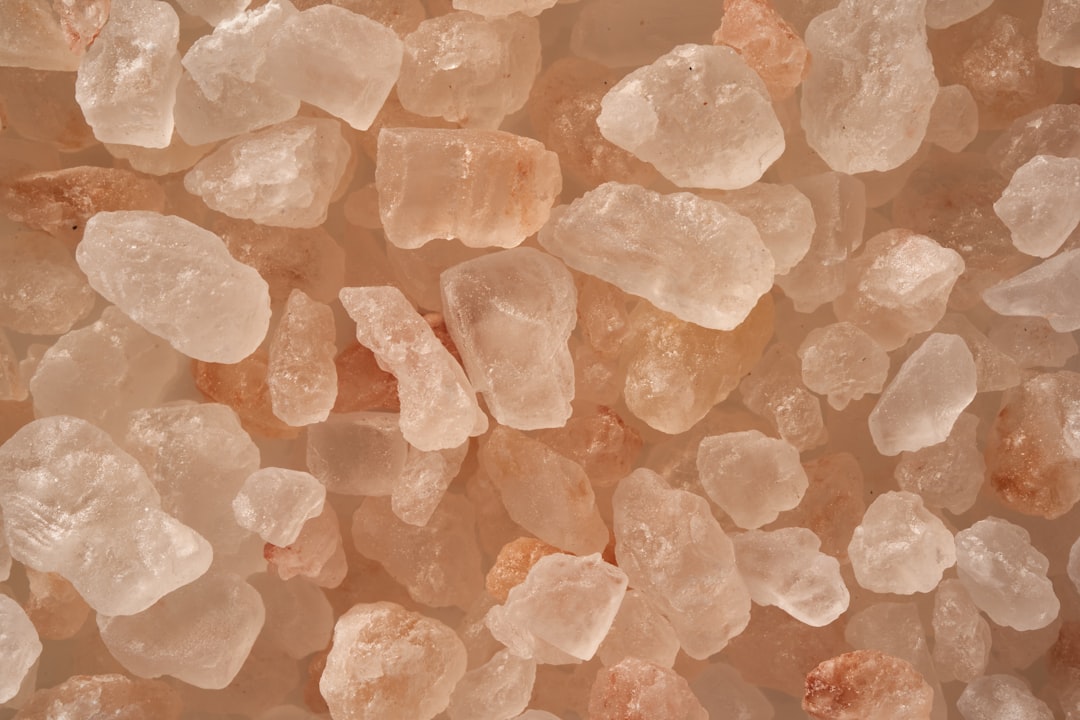
The color intensity is determined by the concentration of iron oxide. Darker salt typically has a slightly higher mineral content and a more robust flavor, while light pink salt is often preferred for its aesthetic delicacy in retail packaging. Both offer the same fundamental health benefits and purity.
How does HalalGrains ensure the absence of heavy metals?
Every export batch undergoes rigorous laboratory testing. We provide a Certificate of Analysis (CoA) that details the levels of lead, mercury, and arsenic, ensuring they fall well below the safety thresholds established by the FDA and the European Food Safety Authority (EFSA).
Can you provide private labeling for retail chains?
Yes. We offer comprehensive private label services, including custom packaging design, various pouch options (stand-up, glass jars, grinders), and labeling that complies with the specific regulatory requirements of your target country.
What is the shelf life of Himalayan Pink Salt?
Because it is a stable mineral formed over millions of years, pure Himalayan salt has an indefinite shelf life if stored in a cool, dry place. It does not require preservatives or artificial stabilizers.
Conclusion: Partnering with a Global Leader
The transition toward natural, unrefined, and ethically sourced minerals is a permanent shift in the global economy. As the world’s leading source of this ancient treasure, Pakistan holds a unique responsibility. HalalGrains – Pioneer in Himalayan Salt Industry From Pakistan, embraces this responsibility by combining traditional mining heritage with 21st-century quality standards.
For B2B buyers, the choice is clear: you need a partner who understands the science, masters the logistics, and respects the culture of global trade. Whether you are looking to enhance your food product line, expand your wellness offerings, or secure a reliable industrial supply, HalalGrains is your authoritative partner in Himalayan salt excellence.
Contact our Senior Export Strategists today to discuss your specific requirements and request a comprehensive product catalog. Let us help you bring the purity of the Himalayas to your global customers.
About HalalGrains Editorial Team
HalalGrains is a global facilitator of premium organic and halal-certified food products. Our editorial team comprises food safety experts, nutritionists, and international trade specialists dedicated to bringing you the latest insights into the world of sustainable organics and Himalayan wellness.
Explore our products: Visit HalalGrains Export Portal