The Global Salt Standard: Decoding Kosher vs. Himalayan Pink Salt for Industry Leaders
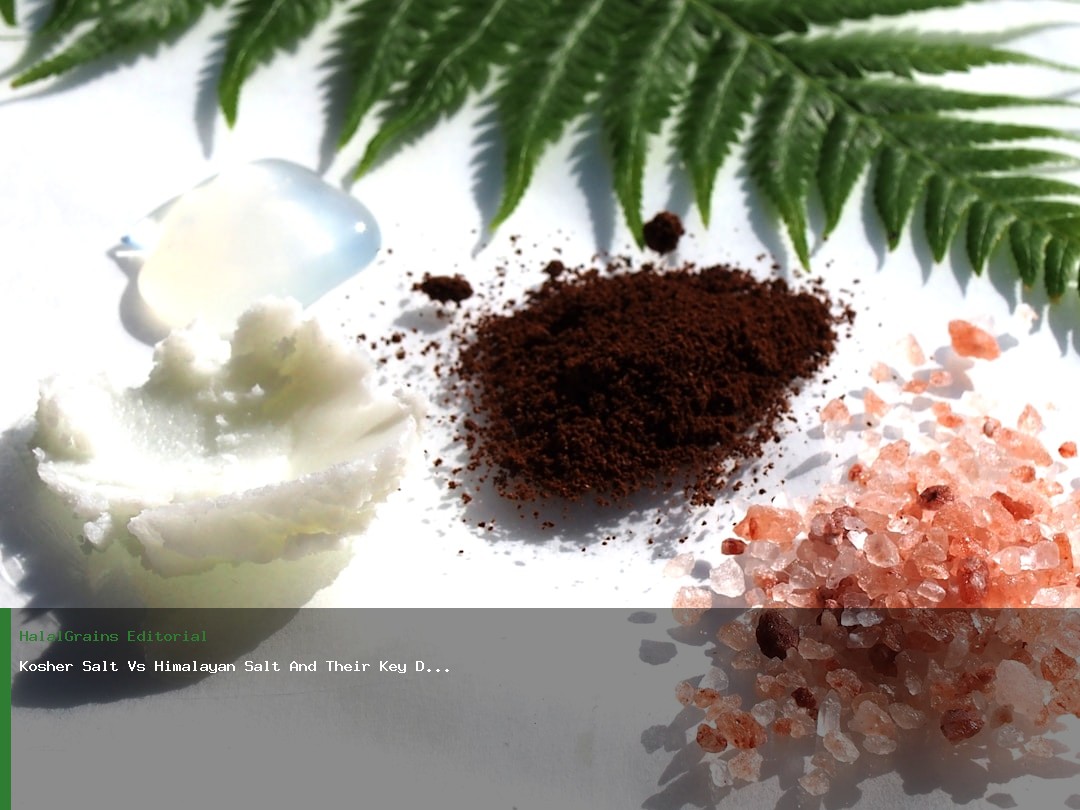
The Global Salt Standard: Decoding Kosher vs. Himalayan Pink Salt for Industry Leaders
The global culinary and industrial food landscapes are undergoing a paradigm shift. As the "clean label" movement gains momentum, professional chefs, food manufacturers, and health-conscious consumers are scrutinizing every ingredient, starting with the most fundamental: salt. In this high-stakes environment, the choice between Kosher salt and Himalayan pink salt is no longer merely a matter of taste—it is a strategic decision involving supply chain integrity, mineralogy, and international compliance.
At HalalGrains, we operate at the intersection of traditional purity and modern industrial excellence. As a premier global exporter of organic and halal-certified products, we recognize that B2B buyers require more than just a commodity; they require a partner who understands the technical nuances of their ingredients. Whether you are formulating a new snack line for the European market or sourcing for a luxury hotel chain in the Middle East, understanding the "Kosher Salt Vs Himalayan Salt And Their Key Differences" is essential for maintaining a competitive edge.
This comprehensive analysis explores the geological origins, chemical compositions, and industrial applications of these two titans of the seasoning world. We will examine why HalalGrains’ commitment to ISO 22000 and HACCP standards makes us the preferred choice for those who refuse to compromise on quality.
- Geological Origins and Mineral Profiles: A Scientific Comparison
- Industrial Utility: Solubility, Texture, and Processing Performance
- The HalalGrains Advantage: Navigating Global Certifications (ISO, HACCP, Halal)
- Market Insights: The Rise of the Halal Economy and Clean Label Salts
- Culinary Science: Why Texture Dictates Flavor Perception
- Strategic FAQ for Procurement Officers
Geological Origins and Mineral Profiles: A Scientific Comparison
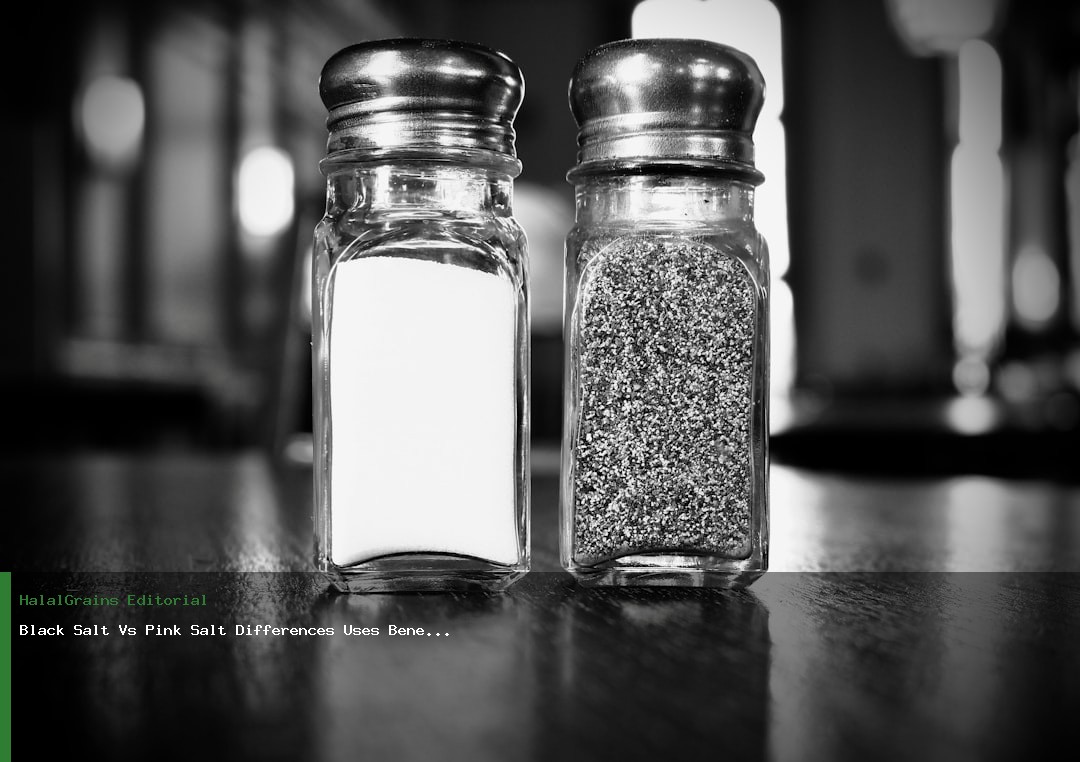
When analyzing Kosher Salt Vs Himalayan Salt And Their Key Differences, one must first look beneath the earth's surface. The two salts represent vastly different geological epochs and extraction methodologies.
Kosher Salt: The Functional Workhorse
Kosher salt is primarily derived from land-based salt deposits or through the vacuum evaporation of seawater. Its name is derived not from its religious status (though most are certified kosher), but from its historical use in the "koshering" process of meat. To meet dietary laws, blood must be extracted from meat; the large, irregular, and flaky crystals of kosher salt are uniquely suited for this task due to their high surface area and osmotic pressure capabilities.
Chemically, kosher salt is nearly pure sodium chloride (NaCl), often reaching 99.7% purity. Unlike standard table salt, premium kosher salt—such as that exported by HalalGrains—is free from iodine and anti-caking agents like sodium ferrocyanide, which can impart a bitter, metallic aftertaste in high-heat applications.
Himalayan Pink Salt: The Ancient Mineral Powerhouse
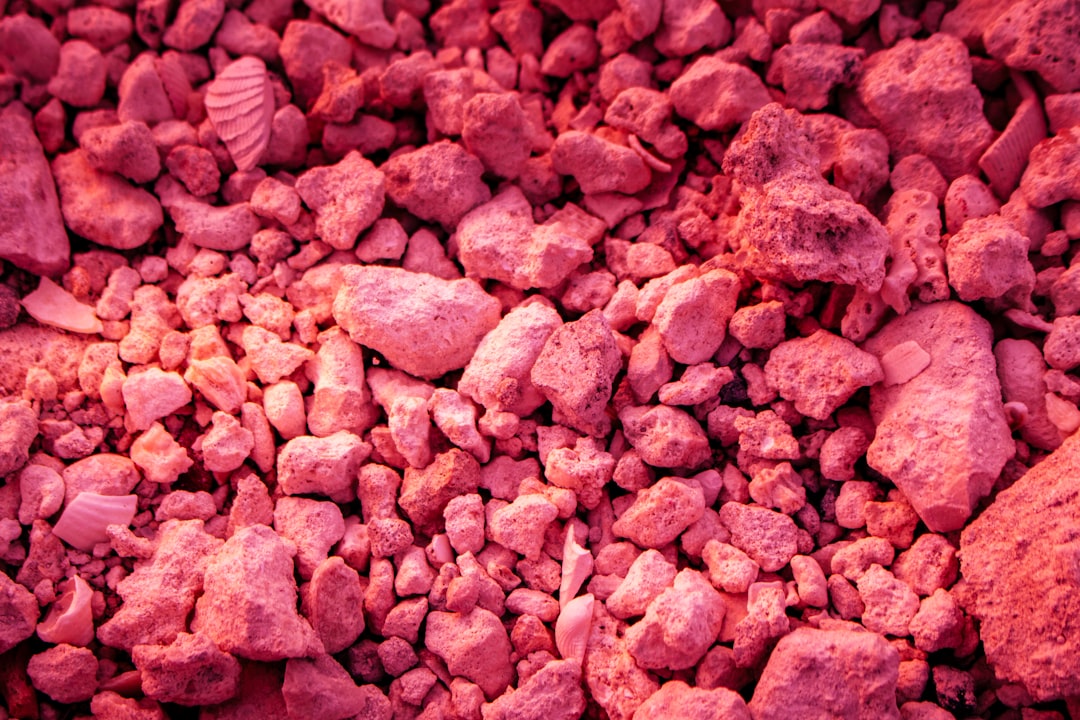
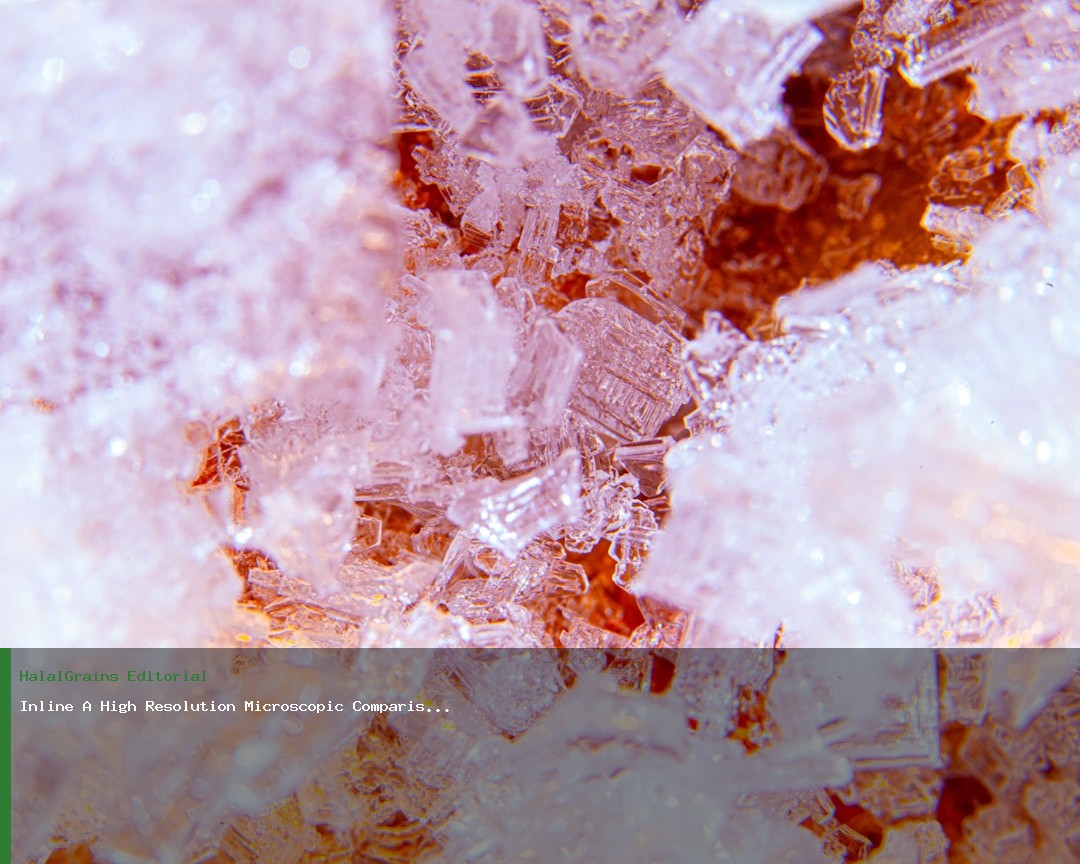
In contrast, Himalayan pink salt is a "fossil salt," harvested from the Khewra Salt Mine in the Punjab region of Pakistan. This salt was formed over 250 million years ago when ancient oceans evaporated, leaving behind vast deposits that were later encased in volcanic rock and ice. This protection from modern environmental pollutants is a key "Market Insight" that drives its premium positioning.
Scientific Fact: Himalayan salt contains up to 84 different trace minerals, including iron oxide (which provides the signature pink hue), potassium, magnesium, and calcium. While these minerals are present in parts per million (ppm), they contribute to a more complex, rounded flavor profile that lacks the sharp "sting" of refined salts. For the B2B buyer, this mineral density is a powerful marketing tool for "all-natural" product positioning.
Industrial Utility: Solubility, Texture, and Processing Performance
For industrial food producers, the choice between halal certified kosher salt vs Himalayan salt often comes down to physics. The physical structure of the salt grain dictates how it interacts with moisture, heat, and other ingredients.
The "Pinch" Factor and Adhesion
Kosher salt’s flaky, hollow structure makes it the gold standard for topical applications. In the snack food industry, the ability of salt to adhere to a surface (like a potato chip or a pretzel) is paramount. Kosher salt’s light weight and large surface area allow it to "stick" more effectively than dense, round grains. This reduces waste in the production line and ensures a consistent flavor experience for the end consumer.
Solubility and Brining
In large-scale meat processing and fermentation, solubility is the key metric. Kosher salt dissolves rapidly in water, creating a uniform brine. Himalayan salt, due to its dense crystalline structure and mineral content, may dissolve more slowly. However, Himalayan salt is increasingly favored in the "Gourmet Finishing" sector. Its slower melt-rate makes it ideal for chilled seafood displays or as a textural element in high-end chocolate manufacturing. bulk-himalayan-salt-benefits
The HalalGrains Advantage: Navigating Global Certifications
In the world of international trade, quality is verified through documentation. At HalalGrains, we understand that our B2B partners in North America, Europe, and the GCC regions face rigorous regulatory scrutiny. This is why we have aligned our operations with the highest global standards.
Market Insight: The global Halal food market is projected to reach a valuation of $2.0 trillion by 2024. Halal certification is no longer just a religious requirement; it has become a global benchmark for hygiene, traceability, and ethical sourcing. Our halal certified seasoning products undergo a "farm-to-fork" audit process.
- ISO 22000: This certification ensures that HalalGrains has a robust food safety management system in place, covering every step of the export process.
- HACCP (Hazard Analysis and Critical Control Points): We implement rigorous monitoring to prevent biological, chemical, and physical hazards in our salt processing facilities.
- Organic Certification: Our Himalayan salt is unrefined and processed without synthetic chemicals, meeting the strict criteria for organic labeling in major global markets.
According to the U.S. Food and Drug Administration (FDA), clear labeling and the absence of hidden additives are crucial for consumer safety. HalalGrains provides full transparency in our COA (Certificate of Analysis) for every shipment, ensuring our clients can meet these regulatory demands with ease.
Market Insights: The Rise of the Halal Economy and Clean Label Salts
As a Senior SEO Strategist and Industry Expert, I have observed a significant trend: the "Premiumization" of salt. Consumers are no longer satisfied with "salt is salt." They are looking for a story, a geographic origin, and a health benefit. This is where the Kosher Salt Vs Himalayan Salt And Their Key Differences become a marketing asset for our clients.
Scientific Fact: Research published by the World Health Organization (WHO) highlights the global need for sodium reduction. Interestingly, because Himalayan salt crystals are often larger and more flavorful, many gourmet chefs find they can achieve the same "salty" impact using less total sodium by weight compared to fine table salt. This aligns perfectly with the global health initiative to reduce sodium intake without sacrificing culinary quality.
Furthermore, the B2B sector is seeing a surge in demand for "Pink Salt" in non-food industries. From the spa and wellness sector (salt rooms and lamps) to the cosmetics industry (exfoliants), the versatility of Himalayan salt is unmatched. HalalGrains supports these diverse industries by providing various grain sizes, from "Fine" (0-1mm) to "Coarse" (3-5mm) and even "Jumbo" rocks for industrial use. organic-spices-pairing-guide

Culinary Science: Why Texture Dictates Flavor Perception
The "mouthfeel" of salt is a critical component of food science. When a grain of salt hits the tongue, the speed at which it dissolves determines the "flavor spike."
- Kosher Salt: Provides a clean, immediate burst of salinity. It is the "high-definition" salt that brings other flavors into focus without adding its own character.
- Himalayan Salt: Provides a "mellow" saltiness. The presence of magnesium and calcium slightly buffers the sodium, leading to a longer, more complex finish on the palate.
For B2B buyers in the spice blending and seasoning industry, mixing these two salts can create a proprietary "house blend" that offers both the immediate impact of kosher salt and the lingering mineral finish of Himalayan salt. HalalGrains works closely with R&D teams to provide the exact specifications needed for these sophisticated formulations. sustainable-food-packaging-trends
Strategic FAQ for Procurement Officers
What is the shelf life of HalalGrains' Himalayan and Kosher salts?
Salt is a natural preservative and, in its pure form, does not expire. However, to maintain the "HalalGrains Standard," we recommend a shelf life of 3-5 years when stored in a cool, dry environment to prevent clumping (caking) due to ambient humidity, especially since we do not use artificial anti-caking agents.
How does HalalGrains ensure the absence of heavy metals in Himalayan Salt?
Every batch of our Himalayan salt undergoes ICP (Inductively Coupled Plasma) testing. We monitor for lead, mercury, cadmium, and arsenic to ensure levels are well below the thresholds set by the FDA and European Food Safety Authority (EFSA).
Can Kosher salt be used in Halal-certified food production?
Absolutely. While the name "Kosher" refers to a Jewish dietary process, the salt itself is a mineral. When processed in our Halal-certified facilities, it meets all Islamic dietary requirements, making it a halal certified seasoning suitable for global distribution.
Why should a B2B buyer choose HalalGrains over local distributors?
HalalGrains offers direct-from-source pricing combined with Western-standard quality control. By eliminating multiple middlemen, we ensure a shorter supply chain, fresher product, and full traceability—critical factors for ISO 22000 compliance.
Conclusion: Elevating Your Supply Chain with HalalGrains
In the competitive global market, the details matter. Understanding the Kosher Salt Vs Himalayan Salt And Their Key Differences allows you to optimize your products for flavor, function, and health. Whether you require the functional precision of Kosher salt or the mineral-rich prestige of Himalayan pink salt, HalalGrains is your definitive partner in excellence.
Our commitment to purity, backed by international certifications and a deep understanding of global market trends, ensures that your business is always a step ahead. We don't just supply salt; we provide the foundation for world-class culinary and industrial achievements.
Ready to elevate your ingredient standards? Contact the HalalGrains Senior Export Team today for technical specifications, bulk pricing, and customized logistics solutions. Let us bring the world’s finest salts to your production line with the transparency and authority your brand deserves.
About HalalGrains Editorial Team
HalalGrains is a global facilitator of premium organic and halal-certified food products. Our editorial team comprises food safety experts, nutritionists, and international trade specialists dedicated to bringing you the latest insights into the world of sustainable organics and Himalayan wellness.
Explore our products: Visit HalalGrains Export Portal