Black Salt vs. Pink Salt: A Definitive Guide to Global Market Trends
Black Salt vs. Pink Salt: The Definitive Guide to Mineral Profiles, Global Market Trends, and B2B Applications
The global specialty salt market is no longer a niche segment of the culinary world; it has evolved into a multi-billion dollar industry driven by the "Clean Label" movement and a heightened consumer focus on trace mineral density. As the Editor-in-Chief at HalalGrains, I have observed a significant shift in how international distributors and health-conscious consumers perceive sodium. We are moving away from the "white gold" of refined table salt toward the mineral-rich treasures of the Himalayan range: Pink Salt and Black Salt (Kala Namak).
Understanding the nuances of Black Salt Vs Pink Salt: Differences, Uses & Benefits is critical for strategic sourcing. Whether you are a procurement officer for a European food manufacturing giant or a wellness retailer in the Middle East, the choice between these two salts impacts product efficacy, flavor profile, and regulatory compliance. This comprehensive analysis delves into the geological origins, chemical transformations, and market dynamics that define these two Himalayan powerhouses.
- Geological Origins and Tectonic History
- The Science of Salinity: Chemical Profiles Compared
- Market Insights: The Rise of Functional Ingredients
- HalalGrains Excellence: Navigating International Certifications
- Culinary and Industrial Applications
- Frequently Asked Questions
Geological Origins and Tectonic History
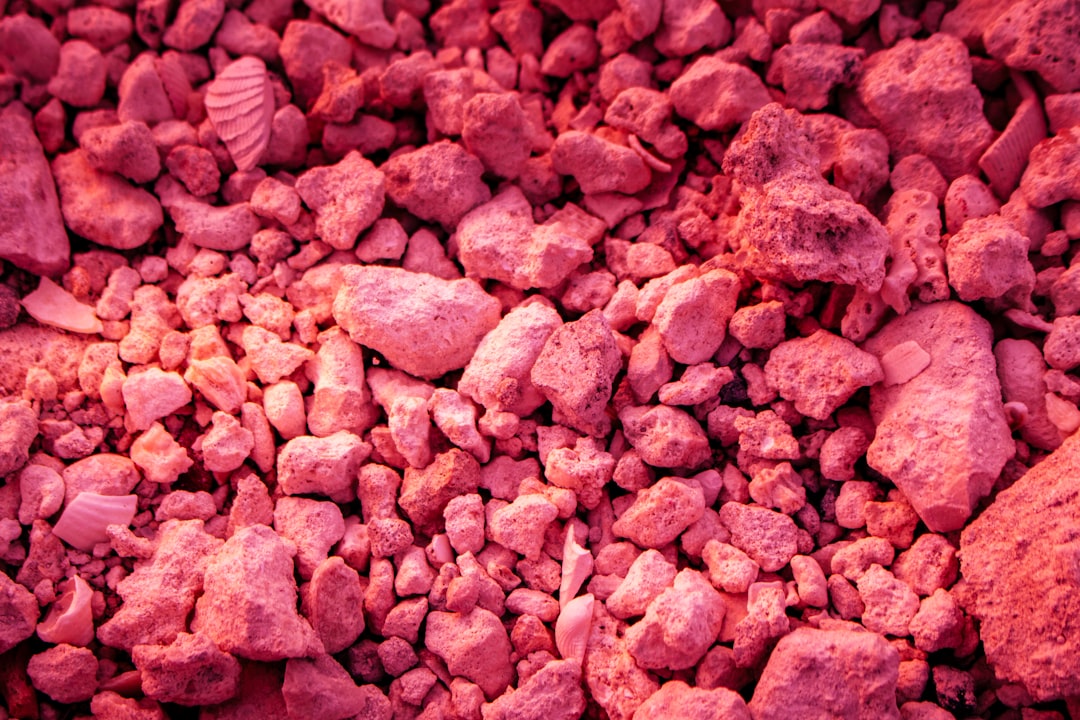
Both Himalayan Pink Salt and Black Salt originate from the Salt Range in the Punjab region of Pakistan, specifically the Khewra Salt Mine. This deposit was formed over 250 million years ago during the Precambrian era when an ancient inland sea evaporated, leaving behind vast mineral beds. These beds were later encased in volcanic rock and protected from modern environmental pollutants by the rising Himalayan mountains.
However, the journey from the mine to the table differs significantly for each. Pink Salt is harvested as a raw, unrefined mineral. Its iconic color is a result of tectonic pressure and the presence of iron oxide. In contrast, Black Salt is a manufactured specialty salt. While it starts as Himalayan salt, it undergoes a traditional "reductive heating" process. It is fired in a kiln for up to 24 hours with charcoal and botanical catalysts like Harad seeds (Terminalia chebula). This process transforms the chemical structure, creating the distinct sulfurous aroma and dark hue that define Kala Namak.
The Science of Salinity: Chemical Profiles Compared
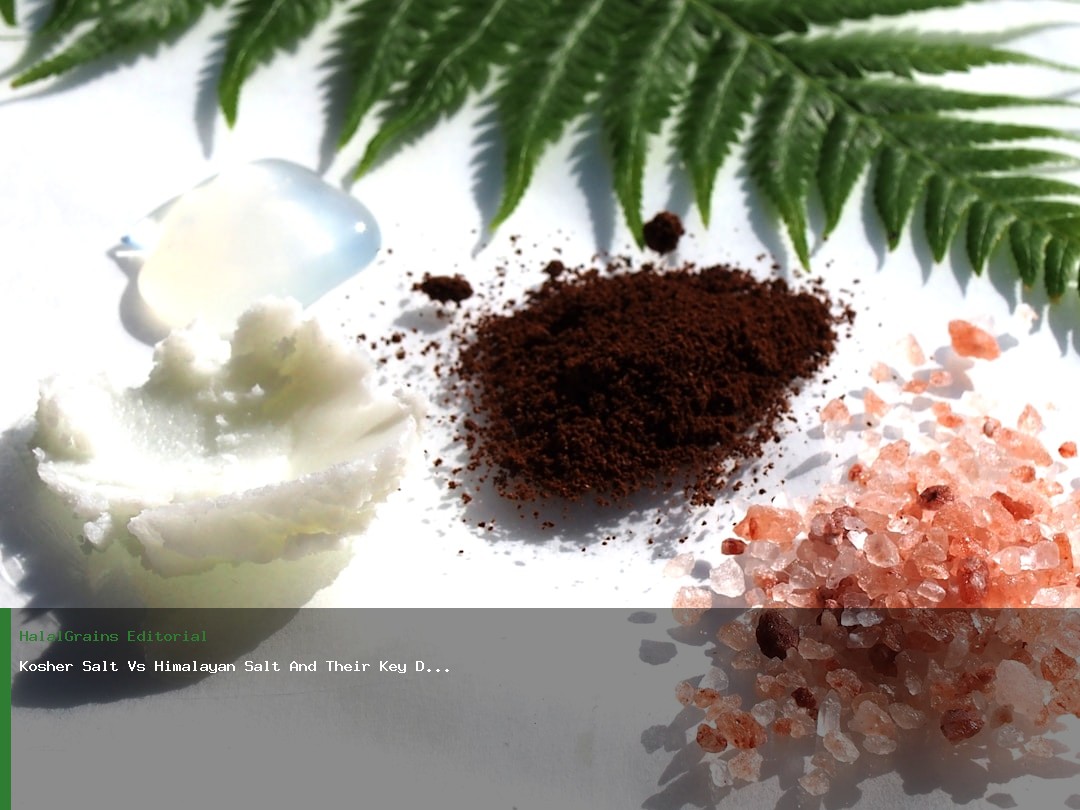
When analyzing Black Salt Vs Pink Salt: Differences, Uses & Benefits, we must look at the molecular level. Himalayan Pink Salt is celebrated for containing up to 84 trace minerals, including calcium, potassium, and magnesium. These minerals are present in minute quantities, but they contribute to the salt's lower sodium-by-weight ratio compared to processed table salt.
Black Salt, through its heating process, develops a unique chemical signature. The sodium chloride remains the base, but the addition of charcoal and heat converts some of the naturally occurring sulfates into sulfides. This results in the presence of Greigite (iron sulfide), which gives the salt its dark purple-to-black color when in rock form and a pinkish-grey hue when ground. According to the Food and Agriculture Organization (FAO), maintaining the purity of these mineral profiles is essential for food safety and international trade standards.
Comparative Mineral Analysis Table
| Feature | Himalayan Pink Salt | Himalayan Black Salt (Kala Namak) |
|---|---|---|
| Primary Mineral | Sodium Chloride (NaCl) | Sodium Chloride (NaCl) + Sodium Sulfate |
| Trace Elements | Iron Oxide, Magnesium, Potassium | Greigite (Iron Sulfide), Magnesium |
| Flavor Profile | Mild, clean, slightly sweet finish | Pungent, savory, "umami," egg-like |
| pH Level | Slightly Alkaline to Neutral | Alkaline (often used as an antacid) |
Market Insights: The Rise of Functional Ingredients
As a Senior SEO Strategist, I track the data that moves the industry. Here are three high-level market insights that define the current landscape:
- The "Clean Label" Surge: Global consumers are increasingly avoiding synthetic anti-caking agents like E535 (sodium ferrocyanide). Both Pink and Black Himalayan salts are naturally anti-caking due to their mineral structure, making them the gold standard for "Clean Label" food production.
- Vegan Food Technology: The plant-based market is projected to reach $162 billion by 2030. Black Salt has become a critical ingredient in vegan "egg" formulations. Its sulfurous profile provides the exact sensory experience of poultry products without the animal involvement. vegan food trends
- Sodium Reduction Strategies: The World Health Organization (WHO) has set a target to reduce global salt intake by 30% by 2025. Because Himalayan salts have a more complex flavor profile, chefs and manufacturers find they can use 10-15% less total salt while maintaining the same perceived saltiness.
HalalGrains Excellence: Navigating International Certifications
For the B2B buyer, the difference between a "good" salt and a "world-class" salt lies in the documentation. At HalalGrains, we understand that our clients in North America, Europe, and the GCC require more than just a product; they require a compliant supply chain. Our halal certified organic status is the foundation of our operations.
We adhere to ISO 22000 and HACCP (Hazard Analysis and Critical Control Points) protocols. This ensures that during the transformation of Black Salt or the crushing of Pink Salt, there is zero cross-contamination. For an international distributor, this means every shipment comes with a Certificate of Analysis (COA) that guarantees mineral consistency and the absence of heavy metals. In a market where "Himalayan Salt" is often used as a generic term, HalalGrains provides the traceability required for premium retail placement.
Our logistics team specializes in bulk exports, utilizing moisture-controlled packaging to ensure the hygroscopic nature of the salt does not lead to clumping during sea transit. This attention to detail is why we are a preferred partner for wholesale Himalayan salt across four continents.
Culinary and Industrial Applications
1. The Gourmet Food Sector
Pink Salt is the "all-rounder." Its aesthetic appeal makes it perfect for finishing salts, while its high smoke point makes it ideal for salt blocks used in searing meats. Black Salt, however, is a "specialist." It is the backbone of the "Chaat" flavor profile in South Asian cuisine and is increasingly used by mixologists to create savory, complex cocktails.
2. The Wellness and Spa Industry
Himalayan Pink Salt is a staple in balneotherapy (salt baths). Its ability to promote skin hydration and reduce inflammation is backed by its magnesium content. Black Salt is gaining traction in the nutraceutical sector. In Ayurvedic medicine, it is known as a "cooling salt" and is prescribed for digestive ailments, bloating, and heartburn.
3. Sustainable Packaging Trends
The industry is moving toward sustainability. HalalGrains is at the forefront of this, offering bulk solutions that reduce single-use plastic. We encourage our B2B partners to adopt sustainable food packaging to align with the values of the modern, eco-conscious consumer.
Frequently Asked Questions
Is Black Salt actually "black"?
In its whole rock form, it appears as a dark, translucent purple or black. However, once it is ground into a fine powder, it takes on a pinkish-grey or lavender hue. This is a key indicator of authenticity; if the powder is jet black, it may contain artificial colorants.
Which salt is better for high blood pressure?
While both are still forms of sodium chloride, Black Salt typically contains slightly less sodium by weight due to the presence of other minerals and the heating process. However, anyone with hypertension should follow WHO guidelines and consult a medical professional regarding their total sodium intake.
Why should I choose Halal Certified salt?
Halal certification ensures that no animal-derived processing aids or alcohol-based cleaners are used in the facility. It also guarantees a level of hygiene and ethical sourcing that aligns with global food safety standards, making it a mark of quality for all consumers, regardless of religious affiliation.
Can Pink Salt be used in water for hydration?
Yes. Many athletes use a "Sole" solution—water fully saturated with Himalayan Pink Salt—to replenish electrolytes lost through sweat. The presence of potassium and magnesium makes it superior to standard table salt for this purpose.
Conclusion: Elevating Your Sourcing Strategy with HalalGrains
In the debate of Black Salt Vs Pink Salt: Differences, Uses & Benefits, there is no single winner. Instead, there are two distinct tools for the modern food and wellness industry. Pink Salt offers the purity and versatility required for broad-market appeal, while Black Salt provides the functional and sensory depth needed for the burgeoning vegan and digestive-health sectors.
At HalalGrains, we bridge the gap between the ancient mines of the Himalayas and the rigorous demands of the global B2B market. Our commitment to halal certified organic standards, combined with our ISO-certified processing, ensures that your business receives a product that is as pure as the mountains it came from. We don't just supply salt; we provide the mineral foundation for your brand's success.
Are you ready to secure a premium supply of Himalayan salts? Contact the HalalGrains export team today to discuss bulk pricing, private labeling, and custom mineral specifications. Let us help you dominate your market with the world's finest organic salts.
About HalalGrains Editorial Team
HalalGrains is a global facilitator of premium organic and halal-certified food products. Our editorial team comprises food safety experts, nutritionists, and international trade specialists dedicated to bringing you the latest insights into the world of sustainable organics and Himalayan wellness.
Explore our products: Visit HalalGrains Export Portal