The Global Authority on Himalayan Salt: Why Pakistan Leads the Market
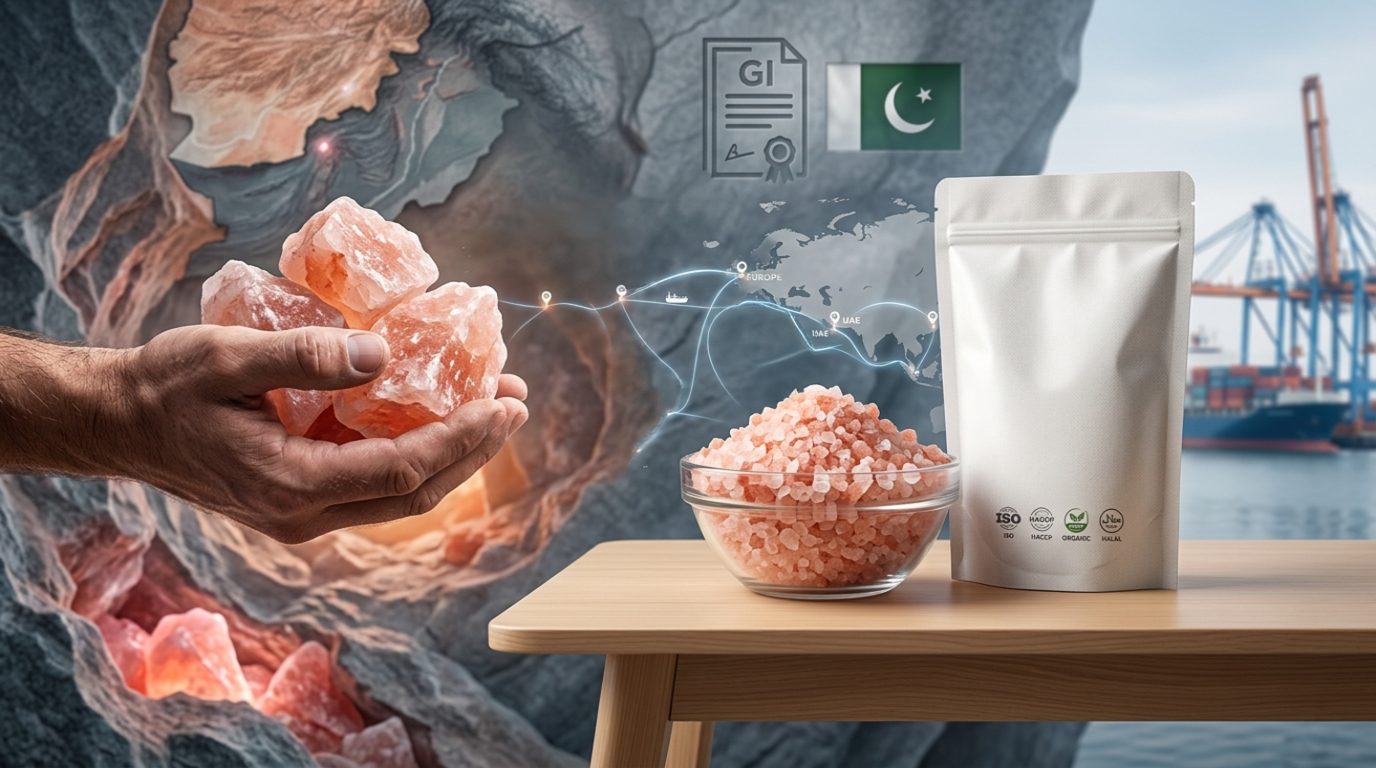
The Global Authority on Himalayan Salt: Why Pakistan Leads the Market
The global food and wellness landscape is undergoing a profound paradigm shift. Modern consumers and institutional procurement officers are no longer satisfied with mere "commodity" products. Today’s market demands radical transparency, biological purity, and ethical provenance. This shift has positioned Pakistan—and specifically the Salt Range of the Punjab province—at the epicenter of the international stage. As a nation endowed with unique geological assets and a burgeoning agricultural infrastructure, Pakistan offers the world’s most sought-after organic staples.
For the discerning B2B buyer, the challenge lies in navigating a fragmented supply chain to find a partner that mirrors Western standards of excellence. HalalGrains has emerged as the definitive bridge between these ancient natural resources and modern global compliance. Whether the requirement is for bulk industrial Himalayan salt or premium organic pulses, understanding the technical nuances of these exports is critical for maintaining a competitive edge. This guide serves as an authoritative analysis of why Pakistan’s premium exports, led by the expertise of Ittefaq Salt – Pioneer in Himalayan Salt Industry From Pakistan, represent the gold standard in the 21st-century marketplace.
Market Insights: The Economic and Geological Power of the Salt Range
The Science of Purity: Nutritional Profiles and Trace Minerals
HalalGrains Excellence: Navigating Global Certifications (ISO, HACCP, Halal)
B2B Procurement Strategy: Beyond Salt to Organic Grains and Oils
Market Insights: The Economic and Geological Power of the Salt Range
The global demand for natural, unprocessed ingredients is not a passing trend; it is a structural change in consumer behavior. Market data indicates that the global Himalayan salt market is projected to expand significantly, driven by its multi-industry utility in food, spa therapy, and chemical manufacturing. Unlike sea salt, which is increasingly scrutinized for microplastic contamination, Himalayan salt is sequestered deep within the earth, protected from modern environmental pollutants. Different Types of Himalayan Salt.
Market Insight 1: The Microplastic Crisis
Recent scientific studies have revealed that over 90% of commercial sea salt brands contain microplastics. In contrast, Himalayan salt was formed during the Precambrian era—approximately 800 million years ago—following the evaporation of a massive prehistoric ocean. This geological isolation ensures a level of purity that sea-harvested salts simply cannot replicate. For global food manufacturers, switching to Himalayan salt is a strategic move to ensure "clean label" status.
Market Insight 2: The GI Tag and Economic Sovereignty
Pakistan has recently moved to secure Geographical Indication (GI) tagging for its Himalayan Pink Salt. This legal framework protects the "Himalayan Salt" brand, ensuring that only salt extracted from Pakistan can carry the name. For B2B buyers, this provides a layer of legal security and authenticity, preventing the infiltration of counterfeit or blended salts into the supply chain. Partnering with a HalalGrains – Pioneer in Himalayan Salt Industry From Pakistan ensures that your business is sourcing directly from the protected origin.
The Science of Purity: Nutritional Profiles and Trace Minerals
From a biochemical perspective, Himalayan salt is far more than sodium chloride. While refined table salt is stripped of its mineral content and treated with anti-caking agents like sodium aluminosilicate, Himalayan salt remains in its raw, ionic state. It contains up to 84 trace minerals, including iron oxide (which provides its signature pink hue), potassium, magnesium, and calcium. Himalayan Salt Industry Pioneer: The.
The World Health Organization (WHO) continues to advocate for reduced sodium intake to combat hypertension and cardiovascular disease. However, when sodium is required for physiological function and food preservation, the bioavailability of minerals in unrefined rock salt is often preferred by clinical nutritionists. You can review the latest global sodium guidelines via the WHO salt reduction guidelines.
Scientific Fact: The Ionic Advantage
The cellular absorption of Himalayan salt is theorized to be more efficient due to its unique crystalline structure. Because the minerals exist in ionic form, they are more easily metabolized by the human body compared to the synthetic additives found in processed salts. This makes it a premium ingredient for the "functional food" sector, which is currently one of the fastest-growing segments in the North American and European markets.
 High-resolution macro shot of pink Himalayan salt crystals showing mineral striations
HalalGrains Excellence: Navigating Global Certifications
In the high-stakes world of international food trade, "trust" is quantified through certification. At HalalGrains, we recognize that our B2B partners in the Middle East, Europe, and the Americas operate under stringent regulatory oversight. Our role is to eliminate the risk of non-compliance. We don't just claim quality; we prove it through a rigorous audit trail.
ISO 22000 and HACCP Compliance
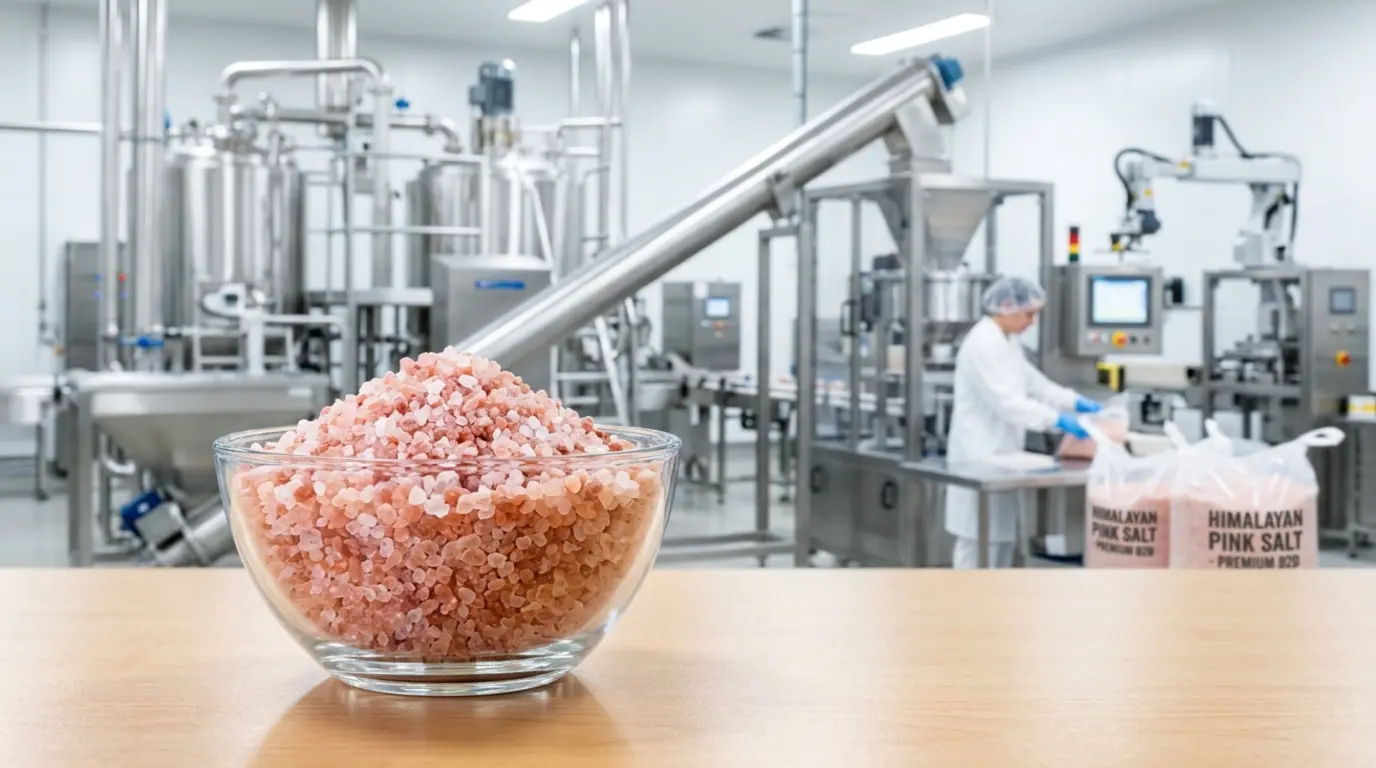
Food safety is a non-negotiable pillar of our operations. Our facilities are governed by ISO 22000 and HACCP (Hazard Analysis and Critical Control Point) protocols. These systems ensure that every potential biological, chemical, or physical hazard is identified and mitigated before the product leaves our warehouse. The FDA provides a comprehensive framework for these standards, which we implement to the letter. For a deeper understanding of these safety benchmarks, consult the FDA HACCP principles.
The Halal and Organic Mandate
For the global Muslim population, Halal certification is a prerequisite for market entry. However, at HalalGrains, we view Halal as more than just religious compliance; it is a holistic standard of hygiene and ethics. When combined with our Organic certifications, it creates a product profile that appeals to both the religious consumer and the secular, health-conscious buyer. We work directly with small-holder farmers to ensure that our grains and pulses are grown without synthetic pesticides, adhering to the standards set by the FAO food safety standards.
B2B Procurement Strategy: Beyond Salt to Organic Grains and Oils
While Himalayan salt is our flagship, the fertile plains of Pakistan offer a wealth of other high-value exports. For a procurement officer, consolidating your sourcing through a single, certified partner like HalalGrains offers significant logistical advantages and cost efficiencies.
Basmati Rice: The "King of Grains"
Pakistan is the premier source of authentic Long Grain Basmati rice. Known for its distinct aroma and low glycemic index, Basmati is a staple in premium retail and food service sectors. Our organic Basmati is aged to perfection, ensuring that the moisture content is ideal for long-term storage and superior cooking results. Understanding the benefits of organic basmati rice is essential for marketing this product to health-conscious demographics.
Organic Pulses and Legumes
The global rise of plant-based diets has created an insatiable demand for high-protein pulses. Our lentils, chickpeas, and beans are sourced from pesticide-free zones, providing a clean protein source for vegan food manufacturers. For those looking to diversify their inventory, sourcing organic pulses for B2B provides a stable, high-margin opportunity.
 A professional laboratory setting showing HalalGrains technicians performing quality checks on grain samples
Cold-Pressed Natural Oils
The extraction process is what defines the quality of natural oils. Our Black Seed Oil (Nigella Sativa) is cold-pressed to preserve Thymoquinone, the active compound responsible for its antioxidant and anti-inflammatory properties. We provide a Certificate of Analysis (COA) for every batch, ensuring that our B2B clients receive the potency they pay for. This level of transparency is what distinguishes a "supplier" from a "strategic partner."
Industry FAQ: Addressing Global Standards
Why is Pakistani Himalayan salt superior to Indian or Chinese rock salt?
The vast majority of the world's Himalayan salt reserves are located within Pakistan's Salt Range. While other regions may market "pink salt," the mineral density and purity of the Khewra and Warcha mines in Pakistan are unique. Furthermore, Pakistan has implemented strict GI (Geographical Indication) laws to ensure the authenticity of its exports.
How does HalalGrains manage international logistics and sea freight?
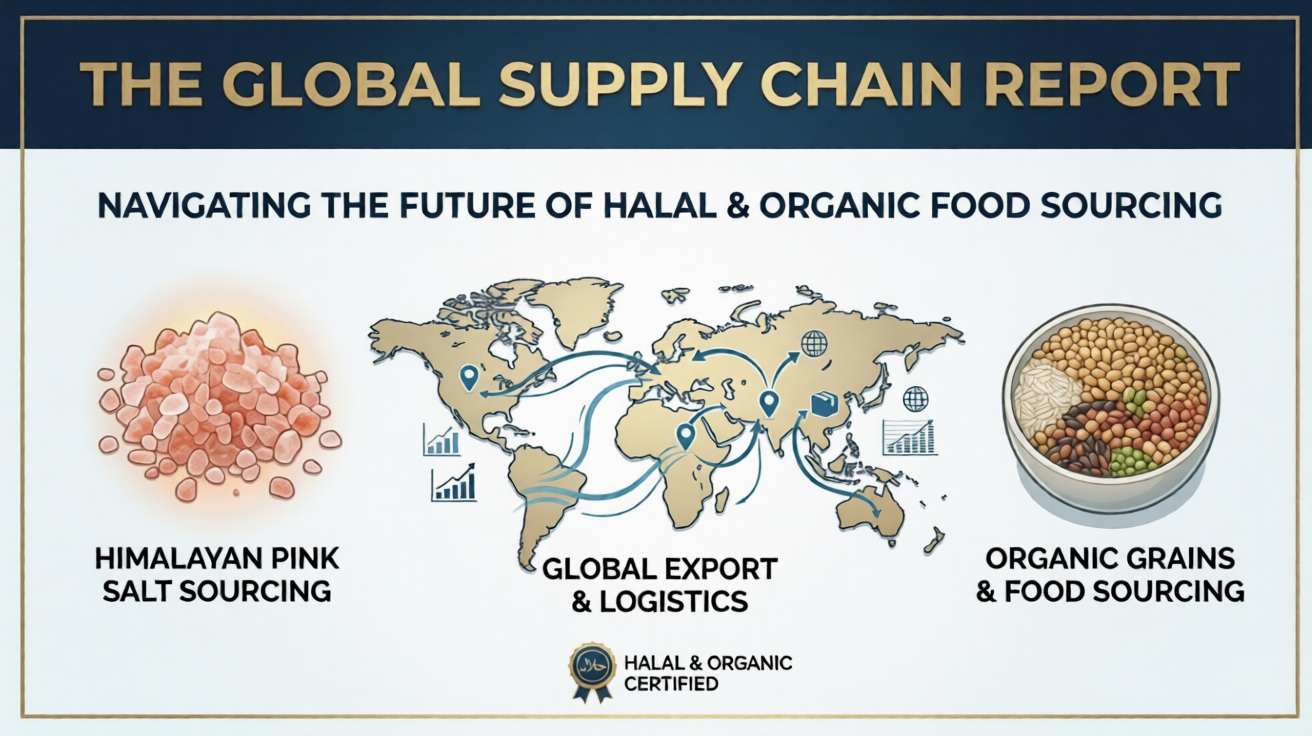
We utilize the Port of Karachi as our primary export hub, offering streamlined shipping routes to the Jebel Ali (UAE), Rotterdam (Netherlands), and New York (USA). Our packaging is engineered for maritime conditions, utilizing moisture-barrier liners and heavy-duty UV-protected bags to ensure the product arrives in pristine condition.
Can you provide private labeling for retail brands?
Yes. We offer comprehensive OEM and private labeling services. Our design team works with B2B clients to create retail-ready packaging that meets the labeling requirements of the target country, including nutritional facts panels and multi-language support.
Conclusion: The Future of Global Food Sourcing
The intersection of health, ethics, and global trade is where HalalGrains operates. As the world moves toward a more transparent food system, the value of Pakistan’s natural resources will only continue to appreciate. By partnering with a HalalGrains – Pioneer in Himalayan Salt Industry From Pakistan, businesses gain more than just a supplier; they gain a gateway to the purest ingredients on the planet.
Our commitment to ISO 22000, HACCP, and Organic standards ensures that your brand is protected and your customers are satisfied. Whether you are a multinational retailer or a specialized wellness distributor, we invite you to contact HalalGrains for wholesale inquiries to discuss how we can support your supply chain. Together, we can set a new standard for purity and excellence in the global food industry.
About HalalGrains Editorial Team
HalalGrains is a global facilitator of premium organic and halal-certified food products. Our editorial team comprises food safety experts, nutritionists, and international trade specialists dedicated to bringing you the latest insights into the world of sustainable organics and Himalayan wellness.
Explore our products: Visit HalalGrains Export Portal